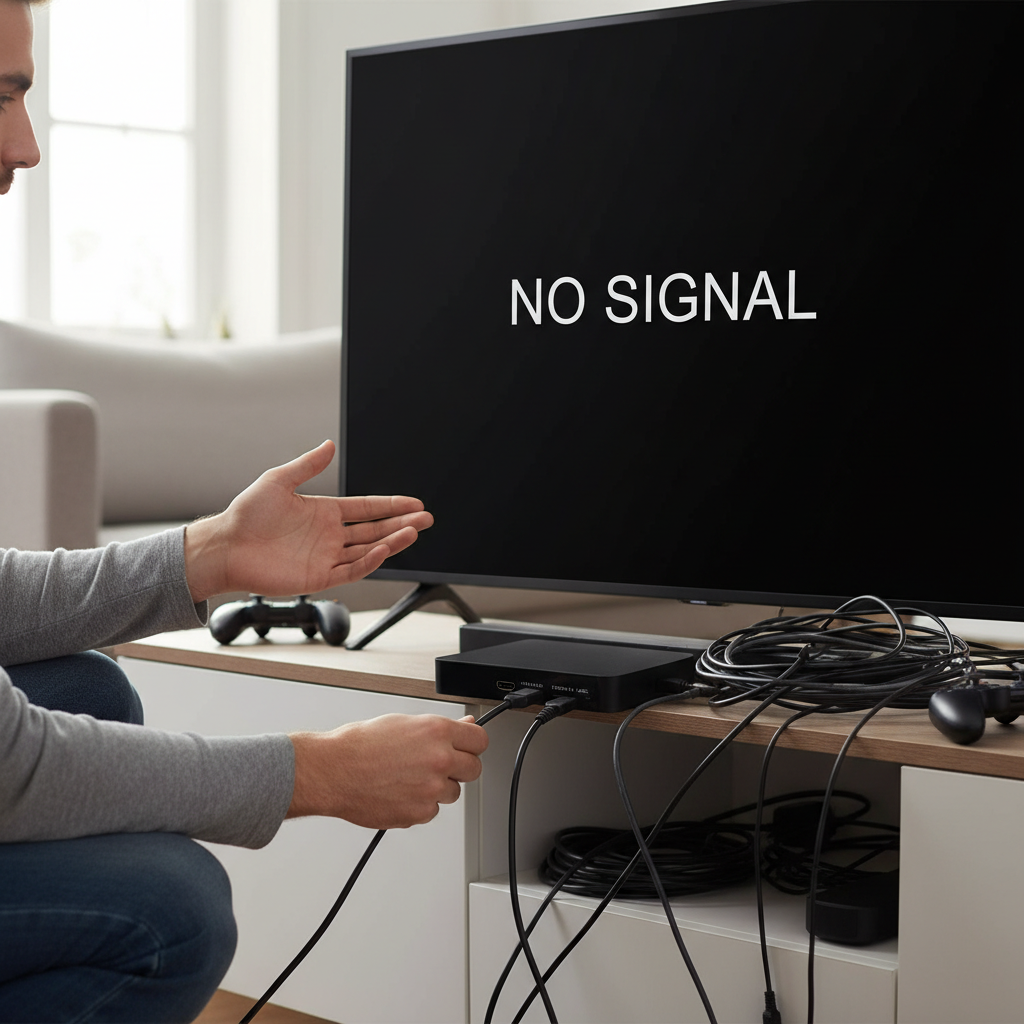
As an experienced technician who’s seen countless mini projectors evolve over the past decade, I understand the heart of these devices: their light source. In 2026, the question of “how to replace a projector bulb” has become more nuanced than ever before. While traditional lamp-based projectors still require periodic bulb changes, the rapid advancement of LED and laser technology has introduced a new era of bulb-free projection, making maintenance a dramatically different experience. This guide will walk you through everything you need to know about navigating projector light sources, from identifying when a bulb needs changing to mastering the replacement process, and understanding the longevity of modern, maintenance-free alternatives.
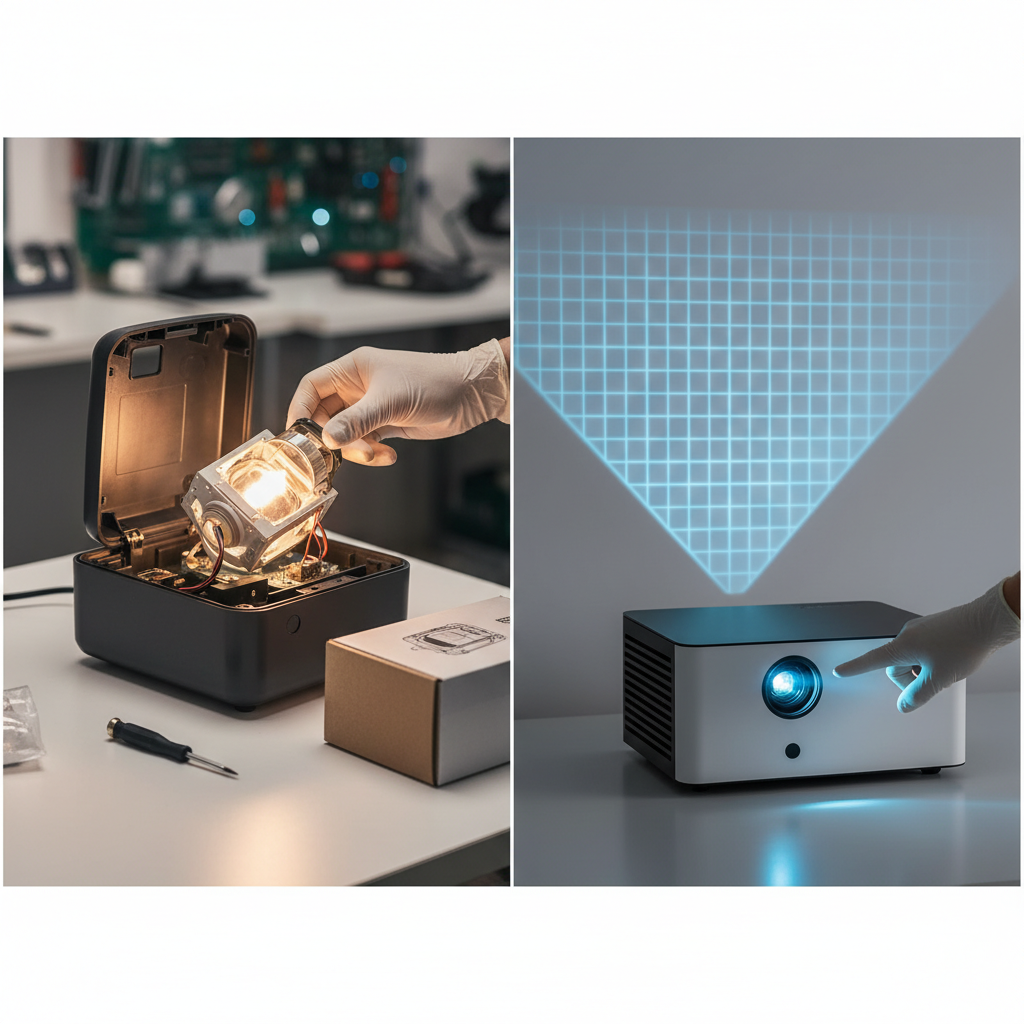
The Evolving Landscape of Projector Light Sources
Projector technology has undergone significant transformations, particularly concerning its light sources. Understanding these differences is crucial when considering bulb replacement or even a new purchase.
Traditional Lamp-Based Projectors
|
Our Picks for the Best Mini projector in 2026
As an Amazon Associate I earn from qualifying purchases.
|
||
| Num | Product | Action |
|---|---|---|
| 1 | HP Smart Mini Projector with WiFi and Bluetooth, Short Throw Projector, Native 1080P Full HD, Official Licensed Apps, Auto Focus & Keystone, Portable Movie Projector for Bedroom & Outdoor |

|
| 2 | HAPPRUN Native 1080P Bluetooth Mini Projector, Full HD Portable Outdoor Movie Projector with Built-in Speaker, Compatible with Smartphone, HDMI, USB, AV, Fire Stick, PS5 for Home, Bedroom, Outdoor Use |
|
| 3 | Mini Projector, ELEPHAS Portable Projector for iPhone, 7000L with Synchronize Smartphone Screen, Movie Projector with 1080P HD/200 Screen Support, Compatible with Android/iOS/TV Stick/HDMI/USB/SD |
|
| 4 | Mini Projector with WiFi 6 and Bluetooth 5.4 Built-in Apps for Bedroom Portable Projector Android 14 Smart Auto Keystone 1080P 4K Support Compatible with iOS/HDMI/TV Stick VisualCube 300 White |
|
| 5 | Mini Projector with Wifi 6 and Bluetooth5.4, Portable Projector 4K Support, Android 14 Smart Proyector with 200ASIN & Auto Keystone, Alwtniet HY300Pro Small Proyector for Bedroom, Movie, Outdoor |
|
| 6 | [Built-in Apps] CLOKOWE Mini Projector with WiFi and Bluetooth, 2026 Upgraded 1080P Smart Portable Projector with 180° Rotation, Auto Keystone, Compatible with iPhone/Android/Laptop/TV Stick/HDMI/USB |
|
| 7 | Optoma 4K UHD Projector HDR High Brightness Home Theater DLP Technology White Compact Design Gaming Ready Streaming Bundle HDMI Cable CPS 12 Month Protection Plan Included |
|
| 8 | 【Built-in APPS & Electric Focusing & 210° Rotation】Mini Projector With Wifi And Bluetooth, 1080P Portable Projector, Movie Projector for Bedroom, Supports Smartphones/TV Stick/iPad/PS5/Laptop/HDMI/USB |
|
| 9 | CiBest Mini Projector, Upgraded Full HD 1080P Support Video Projector, Portable Small Movie Projector, Compatible with iOS/Android/Windows/TV Stick/Box/USB/HDMI |
|
| 10 | Magcubic Mini Projector with WiFi 6 and Bluetooth 5.4, Portable Projector 4K Support, 5W Soundbase Speaker, Auto Vertical Keystone 180°Rotatable Smart Proyector for Movie Home Outdoor |
|
For many years, projectors relied on Ultra High Performance (UHP) or Ultra High-Performance Metal Halide (UHM) lamps. These mercury vapor arc lamps generate intense light through high pressure and heat. However, they naturally degrade over time, leading to a gradual decline in brightness and color accuracy. Their typical lifespan ranges from 2,000 to 4,000 hours, though some higher-end models can last up to 5,000 hours. The need for bulb replacement is an inherent part of owning a lamp-based projector.
LED Projectors: The Bulb-Free Future
LED (Light Emitting Diode) technology has revolutionized the projector market, especially for mini and portable models. Instead of a single, replaceable lamp, LED projectors utilize arrays of tiny, long-lasting diodes as their light source. This integrated design means there’s no bulb to replace. LED light sources boast an impressive lifespan, typically between 20,000 and 50,000 hours, with some manufacturers even claiming up to 100,000 hours. This longevity effectively means the light source is designed to last the entire life of the projector, significantly reducing maintenance and ownership costs.
Laser Projectors: Premium Longevity
Representing the cutting edge of projection technology, laser projectors employ high-brightness laser diodes. Similar to LED projectors, their light source is integrated and not user-replaceable. Laser technology offers exceptional benefits, including superior brightness, accurate color reproduction, and instant on/off capabilities without a warm-up or cool-down period. With lifespans commonly ranging from 20,000 to 50,000 hours or more, laser projectors offer unparalleled durability and virtually eliminate the need for light source maintenance. They are increasingly common in both high-end home theater systems and commercial installations.
Can You Still Replace a Projector Bulb in 2026?
The answer to this depends entirely on the type of projector you own.
- For Lamp-Based Projectors: Yes, Absolutely. If your projector uses a traditional UHP or UHM lamp, bulb replacement is a standard maintenance task. It’s a straightforward DIY process that can extend the life of your device by thousands of hours. Most projectors are designed with user-friendly access to the lamp compartment, allowing you to perform the replacement yourself with basic tools.
- For LED and Laser Projectors: Generally No. In 2026, the vast majority of LED and laser projectors are built with integrated light sources. These are not designed for user replacement. If an LED or laser light source were to fail prematurely (which is rare given their long lifespans), it typically requires professional service or, more commonly, considering a new projector. This shift towards sealed, long-lasting light engines is a key trend in modern projection, favoring convenience and reduced maintenance over user-serviceability.
The industry is clearly trending towards bulb-free solutions, making the term “bulb replacement” increasingly specific to older or budget-oriented lamp-based models.
Signs It’s Time for a Projector Bulb Replacement (Lamp-Based Only)
If you own a lamp-based projector, recognizing the signs of a failing bulb is crucial for maintaining optimal performance. Projector bulbs rarely fail without warning; they typically show several telltale signs as they near the end of their lifespan.
- Dimming Image / Reduced Brightness: This is the most common indicator. If your projected image appears noticeably darker, even at maximum brightness settings, the bulb is likely fading.
- Color Distortion or Washed-Out Images: A dying bulb often struggles to maintain accurate color balance, leading to images that look overly yellow, pink, or generally less vibrant and saturated.
- Flickering or Flashing: Intermittent flickering or random flashes of light on the screen suggest the bulb is struggling to maintain a stable output. This can be distracting and, if severe, potentially indicates a more serious issue.
- Projector Warning Light / Error Messages: Many projectors include a built-in indicator light (often labeled “Lamp” or with a bulb icon) that illuminates or blinks when the bulb is nearing its end. Your projector may also display on-screen warnings. Always consult your user manual to understand what specific light patterns or messages mean.
- Unexpected Shutdowns: Some projectors have safety mechanisms that automatically shut down the device if the bulb overheats or fails. If your projector turns off mid-use without warning, especially if cooling vents are clear, the bulb could be the culprit.
- Approaching End of Rated Lamp Hours: Most lamp-based projectors have a “lamp hours” counter in their settings menu. Regularly checking this counter against the manufacturer’s rated lifespan (e.g., 2,000 or 4,000 hours) can help you anticipate when a replacement will be needed, allowing you to order a new bulb in advance.
A Step-by-Step Guide to Replacing a Projector Bulb
If you’ve determined your lamp-based projector needs a new bulb, the good news is that the replacement process is generally straightforward. Here’s a detailed guide to help you through it.
1. Gather Your Tools
Before you start, ensure you have:
- The correct replacement bulb: Double-check your projector’s model number and user manual to confirm the exact part number. Using the wrong bulb can damage your projector or result in poor performance.
- A small screwdriver: Most lamp compartments are secured with Phillips or flathead screws. A magnetic-tipped screwdriver can be very helpful for tiny screws.
- Clean gloves (latex or nitrile): Oils from your skin can transfer to the bulb’s glass surface, causing hot spots and reducing its lifespan.
- A clean microfiber cloth: Useful for gently cleaning the compartment or the new bulb if needed.
- Your projector’s user manual: This will provide model-specific instructions and diagrams for bulb access and resetting the lamp timer.
2. Safety First
This step is critical for your safety and to prevent damage to the projector.
- Power off the projector completely.
- Unplug it from the power outlet.
- Allow the projector to cool down for at least 30 minutes (some manufacturers recommend up to an hour). Projector bulbs get extremely hot during operation, and touching a hot bulb can cause severe burns. Installing a hot bulb into a cool compartment can also cause cracking.
3. Locate and Access the Lamp Compartment
The lamp compartment is usually found on the bottom, side, or back of the projector. Look for a small panel that might be labeled “Lamp” or have a bulb icon.
- Use your screwdriver to remove the screws holding the cover in place. Keep these screws in a safe, easily accessible spot so you don’t lose them.
- Gently lift or slide the cover off. Some covers may have clips that require a gentle wiggle to release. Do not force it, as plastic covers can crack easily.
4. Carefully Remove the Old Bulb
Inside the compartment, you’ll see the bulb housing, typically a metal or plastic cage that holds the bulb itself.
- This housing is usually secured by screws or a metal clip. Remove any screws or gently press/slide the clip to release the housing.
- Once loose, carefully pull out the old bulb assembly. The bulb will be connected by a power connector; gently disconnect this if it’s a separate plug or clip. Avoid touching the glass part of the old bulb directly.
- Inspect the old bulb for any visible cracks, black spots, or broken filaments.
5. Install the New Bulb
- Open the packaging for your new bulb. Remember to wear gloves or use a microfiber cloth when handling it. Do not touch the glass part with your bare hands. If you accidentally touch it, gently clean the glass with a microfiber cloth and a small amount of isopropyl alcohol, allowing it to dry completely before installation.
- Compare the new bulb to the old one to ensure they are identical in size, shape, and connector type.
- Carefully insert the new bulb into the housing (if it came separately) or directly into the projector, following the same orientation as the old bulb. There’s usually a notch or alignment mark to help you position it correctly. Do not force it; it should fit easily and securely.
- Reconnect the power connector, ensuring it clicks firmly into place.
- Slide the bulb housing back into the compartment and reattach any screws or clips. Tighten them snugly but avoid overtightening.
6. Reassemble and Secure
- Replace the lamp compartment cover and screw it back into place. Again, tighten screws firmly but do not overtighten, as this can strip the plastic casing. Ensure the cover fits snugly with no gaps to prevent dust entry or overheating.
7. Reset the Lamp Timer
Most projectors track bulb usage. To accurately monitor the new bulb’s lifespan and ensure proper warning indicators in the future, you must reset the lamp timer.
- Plug the projector back in and power it on.
- Navigate to your projector’s menu settings using the remote control or onboard buttons.
- Look for options like “Lamp Settings,” “Lamp Hours,” or “Reset Lamp Timer.” The exact path varies by model, so consult your user manual for specific instructions.
8. Power On and Test
- Allow the projector a minute or two to warm up. You should see a bright, clear image.
- Check the image brightness, color accuracy, and overall clarity. Listen for any unusual fan noises.
- If the image is still dim or flickering, double-check the bulb installation (it might not be seated correctly) or the connector (it might be loose). If everything looks and sounds normal, your replacement was successful!
Choosing the Right Replacement Bulb
Selecting the correct replacement bulb is critical for your projector’s performance and longevity.
- OEM (Original Equipment Manufacturer) vs. Compatible/Generic:
- OEM bulbs are identical to the one that came with your projector. They are generally more expensive but offer guaranteed quality, performance, and compatibility. They typically use high-quality bulbs from manufacturers like Osram, Philips, or Ushio.
- Compatible or generic bulbs are often significantly cheaper. While some can offer decent performance, their quality can be inconsistent, potentially leading to dimmer images, shorter lifespans, or even damage to your projector. It’s also important to note that using a non-OEM bulb might void your projector’s warranty. If considering a generic option, research reputable third-party manufacturers that adhere to ISO9001 standards and offer warranties.
- Model Specificity: Always prioritize purchasing a bulb specifically designed for your projector’s exact model number. The easiest way to confirm this is by checking your projector’s user manual or the manufacturer’s official website. A mismatch can lead to poor performance or irreversible damage.
The Cost of Projector Bulb Replacement vs. New Projector
Deciding whether to replace a bulb or buy a new projector often comes down to cost and the overall condition of your current device.
- Typical Bulb Costs: For lamp-based projectors, replacement bulbs typically range from $50 to over $300, depending on the projector model and whether you choose an OEM or generic option.
- When to Replace: If your projector is less than five years old and otherwise functions perfectly (no fan issues, modern resolution, good connectivity), replacing the bulb is almost always the more cost-effective choice. It gives your projector a new lease on life without the expense of a brand-new unit.
- When to Consider a New Projector: If your projector is significantly older (e.g., 5-7+ years), has outdated resolution (like 480p when you desire 1080p or 4K), lacks modern connectivity (HDMI, Wi-Fi, Bluetooth), or shows other signs of wear (noisy fan, overheating), the cost of a new bulb might be better invested in a new projector. Evaluate whether the bulb’s cost approaches a substantial percentage of what a new, upgraded projector would cost. The shift towards long-lasting LED and laser projectors also makes upgrading an attractive, lower-maintenance long-term solution.
Maximizing the Lifespan of Your Projector’s Light Source
Proper care and usage can significantly extend the life of any projector’s light source, whether it’s a replaceable lamp or an integrated LED/laser engine.
For Lamp-Based Projectors
- Let the Projector Cool Down Properly: Never turn off and immediately unplug your projector. Most projectors have a cooling cycle that runs for a minute or two after shutdown. Interrupting this cycle can cause thermal stress and shorten the bulb’s life. Wait until the fan stops completely.
- Use Eco Mode When Possible: Many projectors offer an “Eco Mode” or “Low Power Mode” that reduces brightness and power consumption. This can dramatically extend bulb life, sometimes by 50% or more, without a noticeable difference in dark viewing environments.
- Keep the Projector Clean: Dust accumulation blocks airflow, leading to overheating, which is a primary cause of premature bulb failure. Regularly clean air filters (every few months, more often in dusty environments) and ensure all vents are unobstructed.
- Avoid Frequent On/Off Cycles: Repeatedly turning the projector on and off strains the bulb due to constant heating and cooling. For short breaks, leave the projector in standby mode.
For LED/Laser Projectors
While these light sources are virtually maintenance-free in terms of replacement, good general projector hygiene still matters for the overall device longevity:
- Ensure Proper Ventilation: Just like lamp projectors, LED and laser models generate heat. Ensure they have adequate space for airflow and that vents are never blocked.
- Keep it Clean: Regularly dust the exterior and clean air filters if your model has them. Preventing internal dust buildup helps all components, including the light engine, run efficiently.
“Modern projector technology is a marvel. While traditional lamps offered great brightness, the move to LED and laser light sources fundamentally changes the game for longevity and maintenance, giving users far more peace of mind.” – Admin, reviewbcm.com, Mini Projector Specialist
Conclusion
In 2026, understanding projector light sources is key to smart ownership. Whether you’re dealing with a traditional lamp that needs replacing or enjoying the maintenance-free longevity of LED and laser technology, knowing your projector’s inner workings empowers you to make informed decisions. For lamp-based models, timely bulb replacement is a cost-effective way to restore brilliance and extend life. For newer, bulb-free projectors, the focus shifts to general care to maximize the lifespan of their integrated light engines. The world of projectors continues to evolve, offering brighter, clearer, and longer-lasting viewing experiences than ever before.
What type of projector do you rely on, and what’s your biggest consideration for its longevity?
Frequently Asked Questions
How long do projector bulbs last?
The lifespan varies significantly by type. Traditional UHP/UHM lamps typically last 2,000 to 4,000 hours, while LED light sources can last 20,000 to 50,000 hours, and laser light sources often exceed 20,000 to 50,000 hours. Usage patterns and maintenance also play a role.
Can I replace an LED projector’s light source?
Generally, no. LED and laser projectors feature integrated light sources designed to last for tens of thousands of hours, effectively the lifespan of the projector itself. They are not user-replaceable like traditional lamps.
Is it worth replacing a projector bulb or buying a new projector?
If your projector is relatively new (under 5 years) and otherwise in good condition, replacing a lamp bulb is usually more cost-effective (bulbs typically cost $50-$300+). However, if your projector is old, has other issues, or you desire significant technological upgrades (like higher resolution or a bulb-free light source), a new projector might be a better investment.
What are OEM bulbs, and should I use them?
OEM (Original Equipment Manufacturer) bulbs are genuine replacement lamps made by the projector’s original manufacturer. They offer guaranteed compatibility, quality, and performance. While often more expensive than generic alternatives, they are generally recommended to ensure optimal image quality and avoid potential issues.
How can I extend my projector bulb’s life?
For lamp-based projectors, extend bulb life by using “Eco Mode,” keeping the projector and its filters clean, ensuring proper ventilation, avoiding frequent on/off cycles, and always allowing it to cool down completely after use. For LED/laser projectors, focus on good ventilation and keeping the unit dust-free to protect internal components.