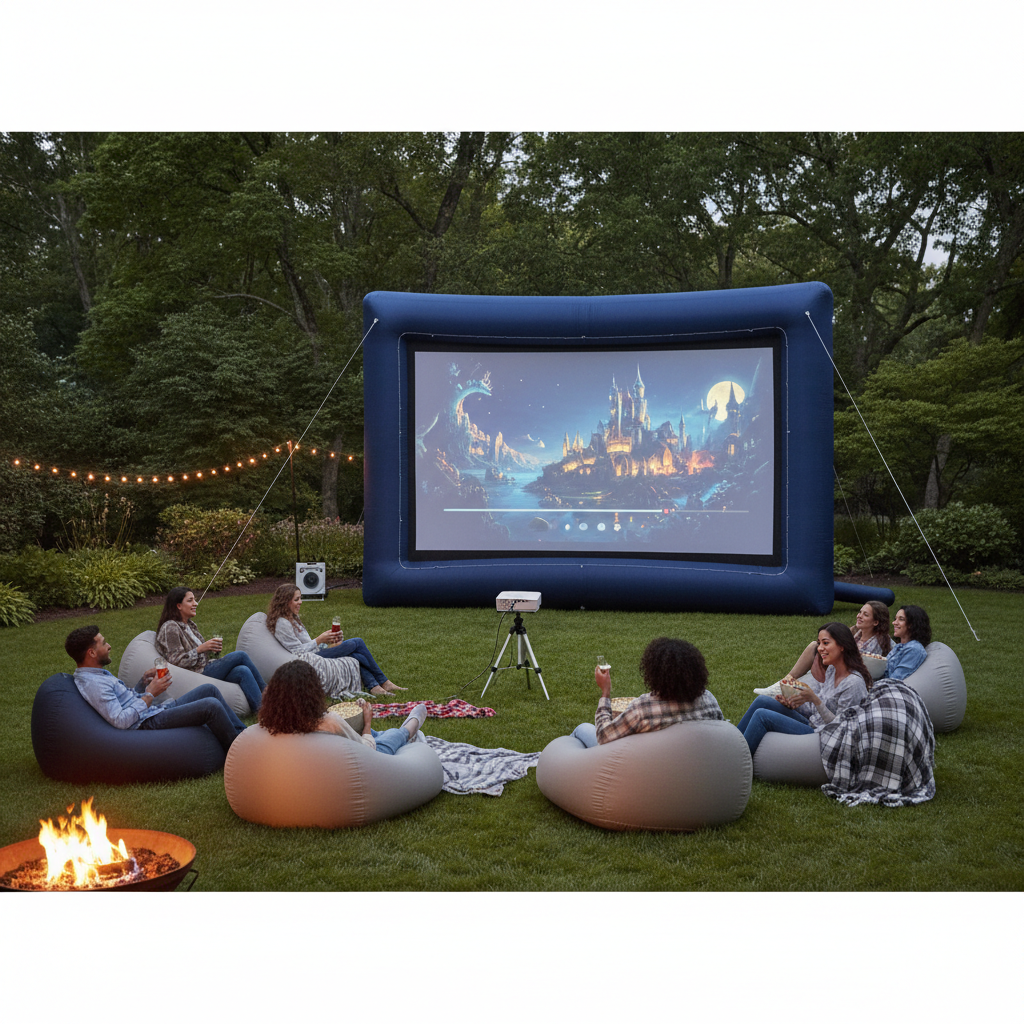
Imagine transforming your backyard into a breathtaking open-air cinema, a vibrant gaming arena, or a dynamic presentation space, all under the canopy of the night sky. Outdoor inflatable screens offer a truly immersive experience, providing a larger-than-life canvas for entertainment that traditional setups simply cannot match. If you’re looking to elevate your outdoor gatherings, choosing the right inflatable screen is paramount to ensure stunning visuals and lasting enjoyment. This comprehensive guide will walk you through everything you need to know to select the perfect outdoor inflatable screen that meets your specific needs and budget in 2026.
Understanding the Varieties of Outdoor Inflatable Screens
Outdoor inflatable screens come in diverse configurations, each designed with unique features and benefits to suit different event scales and preferences. Knowing these types helps you pinpoint which structure will best support your outdoor viewing ambitions.
Types by Structural Design
- Single-Beam Ring Design: This common and often budget-friendly design features a single large circular air tube that surrounds the projection surface. It is known for being lightweight and easy to pack away, making it a great portable option for casual use. However, its simplicity can make it less stable in windy conditions and prone to sagging if not perfectly inflated.
- Dual-Frame (Inner & Outer Beam) System: Offering enhanced stability and a flatter projection surface, these models utilize two pressurized rings. This dual-beam construction improves image uniformity and provides moderate wind resistance, though it might be slightly heavier and require a bit more time for full inflation.
- Column-Supported Inflatables: Characterized by vertical inflatable columns on either side that support a horizontal crossbeam, this design is typically reserved for much larger installations. Column-supported screens can scale to impressive sizes, often exceeding 20 feet, and offer a professional aesthetic suitable for grand events. They do, however, demand more space and often come at a higher cost.
- Hybrid Inflatable/Foldable Frame: A modern innovation, hybrid screens combine elements of inflatable structures with collapsible rods. These screens offer faster deflation and reduce reliance on continuous blower operation, striking a balance between portability and structural integrity. While more complex in their blending of categories, they provide a flexible solution for various setups.
|
Our Picks for the Best Mini projector in 2026
As an Amazon Associate I earn from qualifying purchases.
|
||
| Num | Product | Action |
|---|---|---|
| 1 | 【Built-in APPS & Electric Focusing & 210° Rotation】Mini Projector With Wifi And Bluetooth, 1080P Portable Projector, Movie Projector for Bedroom, Supports Smartphones/TV Stick/iPad/PS5/Laptop/HDMI/USB |

|
| 2 | Mini Projector, ELEPHAS Portable Projector for iPhone, 7000L with Synchronize Smartphone Screen, Movie Projector with 1080P HD/200 Screen Support, Compatible with Android/iOS/TV Stick/HDMI/USB/SD |
|
| 3 | Mini Projector with WiFi 6 and Bluetooth 5.4 Built-in Apps for Bedroom Portable Projector Android 14 Smart Auto Keystone 1080P 4K Support Compatible with iOS/HDMI/TV Stick VisualCube 300 White |
|
| 4 | [Built-in Apps] CLOKOWE Mini Projector with WiFi and Bluetooth, 2026 Upgraded 1080P Smart Portable Projector with 180° Rotation, Auto Keystone, Compatible with iPhone/Android/Laptop/TV Stick/HDMI/USB |
|
| 5 | Magcubic Mini Projector with WiFi 6 and Bluetooth 5.4, Portable Projector 4K Support, 5W Soundbase Speaker, Auto Vertical Keystone 180°Rotatable Smart Proyector for Movie Home Outdoor |
|
| 6 | HAPPRUN Native 1080P Bluetooth Mini Projector, Full HD Portable Outdoor Movie Projector with Built-in Speaker, Compatible with Smartphone, HDMI, USB, AV, Fire Stick, PS5 for Home, Bedroom, Outdoor Use |
|
| 7 | Mini Projector with Wifi 6 and Bluetooth5.4, Portable Projector 4K Support, Android 14 Smart Proyector with 200ASIN & Auto Keystone, Alwtniet HY300Pro Small Proyector for Bedroom, Movie, Outdoor |
|
| 8 | Optoma 4K UHD Projector HDR High Brightness Home Theater DLP Technology White Compact Design Gaming Ready Streaming Bundle HDMI Cable CPS 12 Month Protection Plan Included |
|
| 9 | HP Smart Mini Projector with WiFi and Bluetooth, Short Throw Projector, Native 1080P Full HD, Official Licensed Apps, Auto Focus & Keystone, Portable Movie Projector for Bedroom & Outdoor |
|
| 10 | CiBest Mini Projector, Upgraded Full HD 1080P Support Video Projector, Portable Small Movie Projector, Compatible with iOS/Android/Windows/TV Stick/Box/USB/HDMI |
|
Types by Projection Surface
The projection surface itself also varies, influencing image quality and suitability for different environments.
- Front Projection: The most common type, where the projector is placed in front of the screen. These screens are typically white PVC or similar materials, optimized for brightness and color fidelity.
- Rear Projection: Designed for setups where the projector is positioned behind the screen, allowing viewers to sit closer without casting shadows. These screens permit light to pass through while maintaining image quality, ideal for situations with limited frontal space or where projector noise needs to be isolated.
- Matte White: A versatile option providing good color reproduction and wide viewing angles, suitable for most general outdoor movie nights.
- High-Gain: These screens amplify the projected light, resulting in a brighter image, which can be beneficial in environments with some ambient light. However, they may have narrower viewing angles.
- Ambient Light Rejecting (ALR): Specialized screens designed to absorb ambient light from the sides, focusing the projector’s light to the viewer. While less common in inflatable forms, some advanced models may incorporate ALR properties for superior performance in less-than-ideal lighting conditions.
Essential Criteria for Selecting Your Outdoor Inflatable Screen
Choosing the ideal inflatable screen involves a careful evaluation of several critical factors. By considering these aspects, you can ensure your investment delivers the best possible outdoor cinematic experience.
Size and Audience Capacity
How many people do you plan to entertain, and how much space do you have? The screen size should correlate with your audience and available viewing area. For small gatherings of up to 10 people, a screen between 6-8 feet wide is usually sufficient. Medium-sized events with 10-30 guests might require a 10-12 foot screen. For large gatherings exceeding 30 people, opting for screens larger than 12 feet—ideally between 16-20 feet—will ensure everyone has a clear, immersive view. Remember, a larger screen isn’t always better if your projector’s throw distance or your viewing space is limited.
Material and Durability
The longevity and performance of your inflatable screen hinge significantly on its material quality. Look for UV-resistant, waterproof fabrics such as 210D–420D ripstop polyester or durable double-coated PVC. These materials offer superior resistance to outdoor elements, preventing degradation from sun exposure and moisture. High-quality screens are reinforced and built to withstand repeated inflations, deflations, and rough handling, crucial for ensuring your screen lasts for many seasons. Avoid thin nylon or non-laminated surfaces, which are more prone to wrinkles and wear.
Ease of Setup and Portability
One of the main appeals of inflatable screens is their convenience. A good screen should come with an efficient electric air blower that inflates the frame within minutes. Check the airflow rate (CFM); higher values mean quicker setup. For ultimate portability, look for models that deflate quickly and pack compactly into a carrying bag. Some designs may require more effort for setup or disassembly, so consider how frequently you plan to use it. “The true magic of outdoor cinema lies in the simplicity of setup,” says a seasoned backyard entertainment enthusiast, “and a screen that inflates effortlessly means more time enjoying the show.”
Stability and Wind Resistance
Outdoor environments are unpredictable, making stability a non-negotiable feature. High-quality inflatable screens are equipped with multiple grommets (ideally every 12-18 inches) along the base, allowing for secure anchoring with sandbags, ground stakes, or bungee cords. Aerodynamic shapes and inclusion of guy lines with ground sleeves further enhance wind resistance. Screens rated to withstand winds of 20+ mph provide peace of mind during breezy evenings. Investing in a robust anchoring system is vital to prevent your screen from toppling or drifting during your event.
Projection Surface Quality
Beyond the frame, the projection surface itself dramatically impacts picture quality. The material’s color and reflectivity determine how well colors are reproduced and how bright the image appears. A matte white screen often provides excellent versatility, while some prefer gray screens for enhanced contrast in darker settings. Pay attention to the “gain” rating, which indicates how much light the screen reflects; higher gain means brighter images but potentially narrower viewing angles. A high-quality canvas should be seamless to avoid distortions and be specifically engineered to maintain a flat, wrinkle-free surface once inflated.
Integrated Blower and Noise Level
Most inflatable screens include an integrated electric blower for inflation. For smaller screens, some designs allow for initial inflation, after which the blower can be turned off, ensuring a quiet viewing experience. However, larger inflatable screens often require continuous air flow to maintain their shape and prevent deflation, especially if minor air leaks occur. While modern blowers are designed to be quieter than older models, the continuous hum can still be a factor. Consider the blower’s noise rating, particularly if you prioritize pristine audio quality without external distractions.
Where to Purchase Outdoor Inflatable Screens
When you’re ready to buy, several reputable avenues offer outdoor inflatable screens. Online marketplaces like Amazon, Walmart, and specialty electronics retailers are excellent starting points. These platforms provide a vast selection, competitive pricing, and user reviews that can help inform your decision. For those who prefer a hands-on experience or need immediate assistance, large electronics stores might have a limited selection. Always compare prices across different vendors and look out for seasonal sales or promotions. Be sure to check return policies and warranty information before making a purchase.
Setting Up and Maintaining Your Outdoor Inflatable Screen
Proper setup and diligent maintenance are key to maximizing the lifespan and performance of your outdoor inflatable screen. Following these guidelines will ensure a seamless and enjoyable viewing experience.
Setup Guide
- Choose Your Location: Select a flat, clear area free of sharp objects that could puncture the screen. Ensure there’s enough space for the screen itself, the projector, and your audience.
- Unpack and Unfold: Lay the screen flat on the ground. Unroll and spread out the screen material carefully.
- Connect the Blower: Attach the included air blower securely to the inflation port on the screen.
- Inflate: Plug in the blower and turn it on. The screen should begin to inflate within minutes. Ensure all zippers or air valves are closed to allow for full inflation.
- Anchor Securely: Once fully inflated, use the provided ropes, stakes, and sandbags (if necessary) to firmly anchor the screen to the ground. This is crucial for stability, especially in breezy conditions. Adjust tension to ensure the projection surface is taut and wrinkle-free.
- Position Your Projector: Place your projector at the correct distance and angle, ensuring the image fills the screen evenly. Use the projector’s keystone correction if needed to square the image.
Maintenance Tips
- Cleaning: Regularly clean the projection surface with a soft, damp cloth and mild soap. For detachable screens, follow the manufacturer’s washing instructions. Ensure the screen is completely dry before storing to prevent mildew.
- Inspection: Before and after each use, inspect the screen for any small tears, punctures, or worn areas. Patch small holes promptly using repair kits.
- Storage: Deflate the screen completely and fold it neatly. Store it in its original carrying bag in a cool, dry place, protected from direct sunlight and extreme temperatures. Proper folding can also help minimize wrinkles for the next use.
Troubleshooting Common Outdoor Inflatable Screen Issues
Even with the best screens, occasional hiccups can occur. Here are some common problems and their solutions to keep your movie nights running smoothly.
Image Appears Wrinkled or Saggy
When you first inflate the screen, minor wrinkles are common. These typically smooth out as the screen fully inflates and the material stretches. If persistent, ensure the screen is fully inflated and anchored tautly on all sides. Adjusting the anchoring points can often resolve minor sagging. Uneven terrain can also contribute to this, so always aim for the flattest possible setup surface.
Screen Deflates During Use
A slow leak or puncture is the most common cause of deflation. Inspect the inflatable frame for any small holes. Most screens come with a repair kit for minor patches. If your screen requires continuous inflation, ensure the blower is running constantly and is not obstructed. For larger screens, a continuous air source is often necessary to maintain rigidity throughout your event.
Screen is Unstable in Wind
Inadequate anchoring is the primary culprit here. Always use all provided ropes, stakes, and sandbags. For extra security in high-wind areas, consider purchasing additional heavy-duty ground stakes or guy lines. Positioning the screen in a sheltered area, such as against a fence or building, can also help reduce wind exposure. Regularly check the tension of your anchoring ropes throughout the event.
Buying Guide: Making Your Final Decision
Determine Your Usage Needs
Before anything else, clarify your primary use for the screen. Is it for casual family movie nights, large community events, gaming sessions, or business presentations? This will dictate the ideal size, required durability, and desired features. A screen for a small family might prioritize ease of setup, while a screen for public events demands maximum stability and larger dimensions.
Set a Realistic Budget
Inflatable screens vary widely in price based on size, material quality, and features. Establish how much you’re willing to spend. While budget-friendly options are available, remember that investing a bit more can often lead to greater durability, better picture quality, and enhanced stability, ultimately providing a more satisfying long-term experience.
Read Reviews and Compare Features
Leverage the experiences of other users by reading product reviews. Pay close attention to comments regarding setup ease, material quality, wind resistance, and blower noise. Compare the specifications of several models that fit your criteria, focusing on projection surface type, included accessories, and warranty. This helps you gain an objective perspective on a product’s real-world performance.
Verify Accessories and Warranty
Ensure the screen comes with all necessary accessories, such as an air blower, ground stakes, ropes, and a storage bag. Check the warranty period and what it covers. A strong warranty indicates a manufacturer’s confidence in their product’s quality.
“A well-chosen inflatable screen should disappear once the movie starts, leaving only the magic of the big screen,” shares Sarah Jenkins, an expert in outdoor entertainment setups. “It’s about choosing reliability so you can focus on the experience, not the equipment.”
Conclusion
The world of outdoor entertainment has never been more accessible, and a high-quality outdoor inflatable screen is your ticket to creating unforgettable memories under the stars. By carefully considering the various types, evaluating key features like size, material, stability, and ease of setup, and understanding proper maintenance, you can confidently choose the perfect screen for your needs in 2026. Whether it’s a cozy backyard movie night or a grand community gathering, your inflatable screen will provide the ultimate big-screen experience. Are you ready to transform your outdoor space into a cinematic wonderland?
Frequently Asked Questions
What is the ideal aspect ratio for an outdoor inflatable screen?
The most common and versatile aspect ratio for outdoor inflatable screens is 16:9, which matches most modern projectors and high-definition content. This ensures movies, TV shows, and games are displayed without distortion or awkward black bars, providing a seamless cinematic experience for your audience.
Can outdoor inflatable screens be used in windy conditions?
Yes, many outdoor inflatable screens are designed to be used in moderate windy conditions, typically rated for winds up to 20 mph. However, proper anchoring with ropes, ground stakes, and sandbags is absolutely critical. Always secure your screen thoroughly and consider sheltered locations to minimize wind impact, as high winds can compromise stability.
How do I store my inflatable outdoor projector screen?
After deflating, ensure the screen is completely dry to prevent mildew and damage. Fold it neatly according to the manufacturer’s instructions and store it in its original carrying bag. Keep the bag in a cool, dry place away from direct sunlight and extreme temperatures to preserve the material and prolong its lifespan.
Are larger inflatable screens harder to set up?
While larger screens do take up more physical space and might require a slightly more powerful blower, the setup process for inflatable screens generally remains straightforward. The core steps of unfolding, inflating, and anchoring are similar regardless of size, though larger models might benefit from two people for easier handling and taut anchoring.
What materials are best for the projection surface of an inflatable screen?
The best projection surfaces for inflatable screens are typically made from durable, wrinkle-resistant materials like high-grade white PVC or reinforced polyester fabric. These materials offer excellent color reproduction, optimal brightness, and a smooth, flat surface critical for a clear image. Look for specifications indicating UV resistance and waterproof properties.