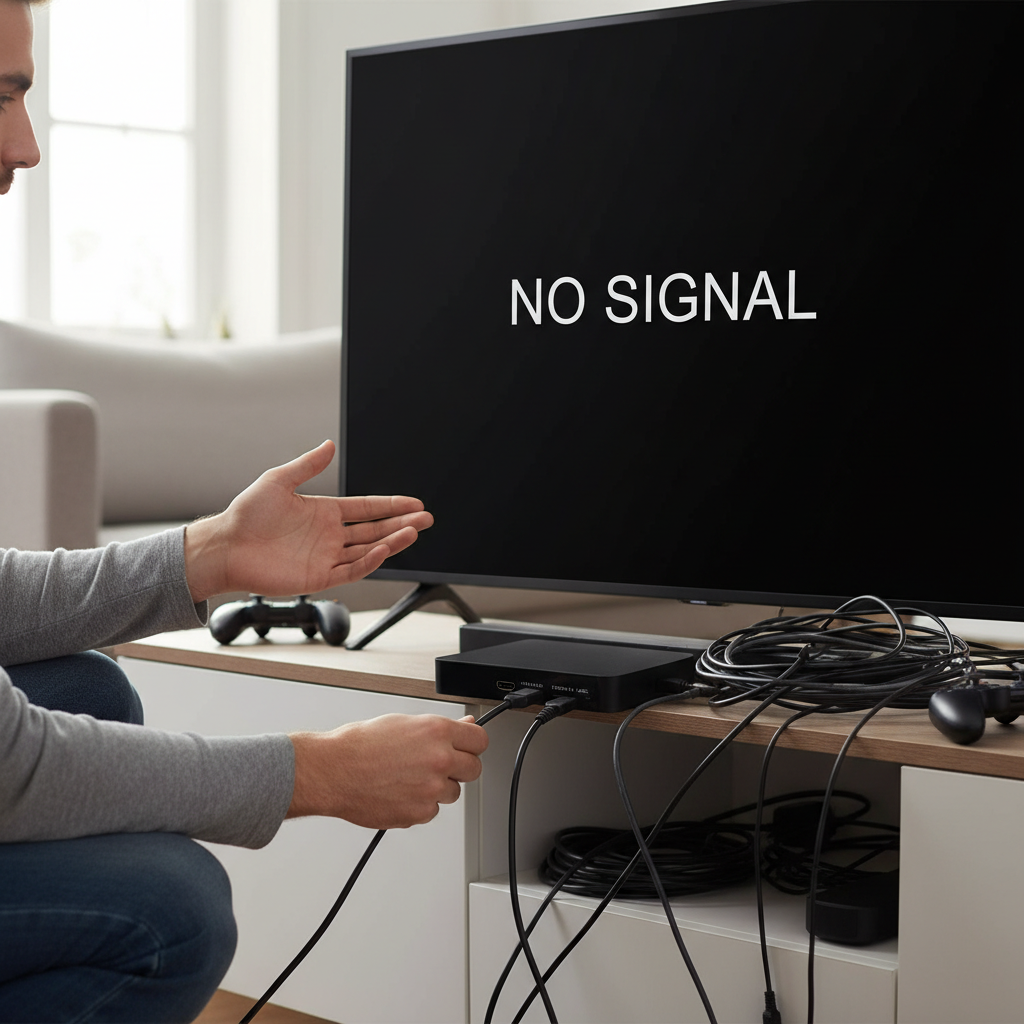
Imagine setting up your projector for an outdoor movie night or a crucial presentation, only to realize there’s no power outlet in sight. A dead battery can quickly turn excitement into frustration. Thankfully, portable power banks offer a fantastic solution, transforming any location into a potential projection venue. But successfully powering your projector with an external battery isn’t as simple as plugging in your phone. It requires understanding specific power requirements, choosing the right equipment, and knowing how to connect everything safely and efficiently.
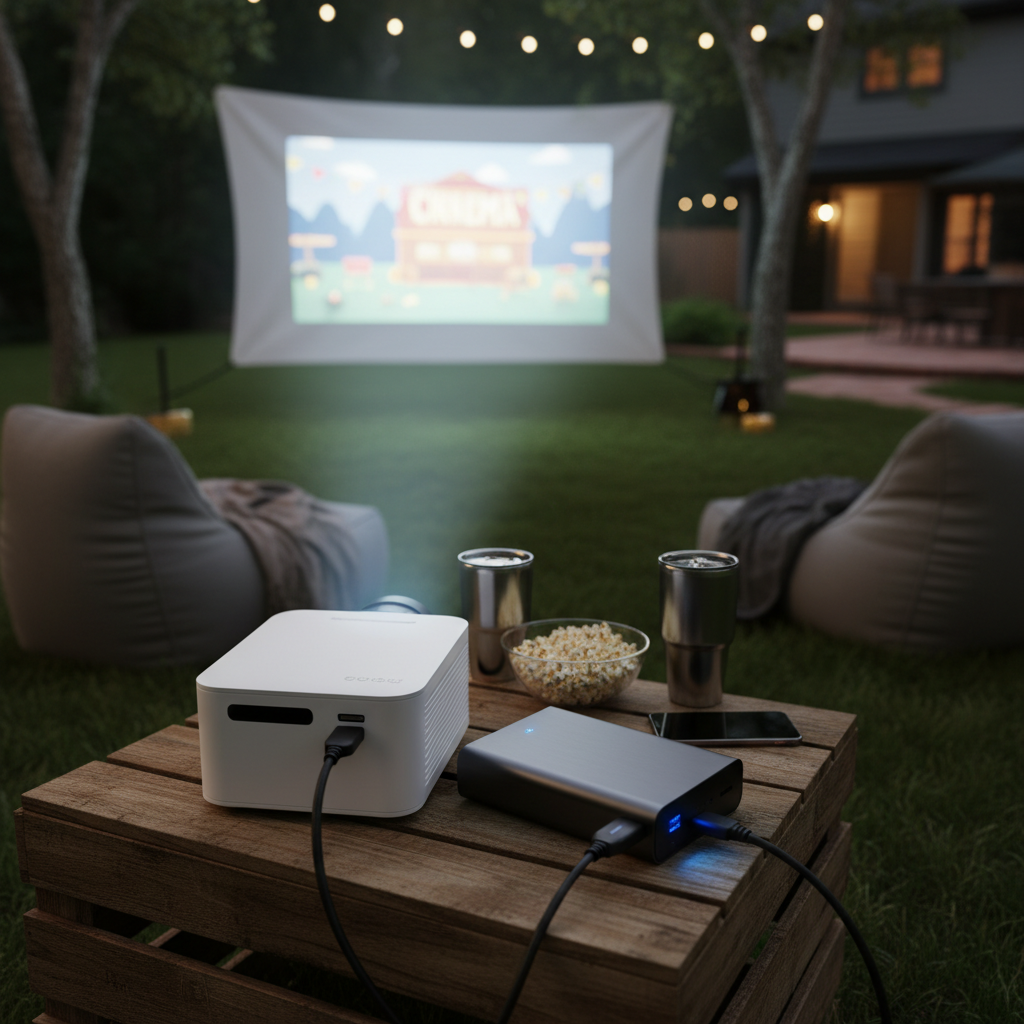
This guide will walk you through everything you need to know to confidently use a power bank with your projector, ensuring your visual experiences are never cut short by a lack of power. We’ll cover how to assess your projector’s power demands, select a compatible power bank, make the correct connections, and troubleshoot common issues, so you can enjoy uninterrupted viewing wherever you go.
Understanding Projector Power Needs
Before diving into power bank options, it’s crucial to understand what your projector demands. Projectors aren’t one-size-fits-all when it comes to power consumption, and matching your power source to these needs is key to preventing damage and ensuring reliable performance.
Power Consumption Variations (Watts)
|
Our Picks for the Best Mini projector in 2026
As an Amazon Associate I earn from qualifying purchases.
|
||
| Num | Product | Action |
|---|---|---|
| 1 | Mini Projector with Wifi 6 and Bluetooth5.4, Portable Projector 4K Support, Android 14 Smart Proyector with 200ASIN & Auto Keystone, Alwtniet HY300Pro Small Proyector for Bedroom, Movie, Outdoor |

|
| 2 | Magcubic Mini Projector with WiFi 6 and Bluetooth 5.4, Portable Projector 4K Support, 5W Soundbase Speaker, Auto Vertical Keystone 180°Rotatable Smart Proyector for Movie Home Outdoor |
|
| 3 | Mini Projector, ELEPHAS Portable Projector for iPhone, 7000L with Synchronize Smartphone Screen, Movie Projector with 1080P HD/200 Screen Support, Compatible with Android/iOS/TV Stick/HDMI/USB/SD |
|
| 4 | HP Smart Mini Projector with WiFi and Bluetooth, Short Throw Projector, Native 1080P Full HD, Official Licensed Apps, Auto Focus & Keystone, Portable Movie Projector for Bedroom & Outdoor |
|
| 5 | HAPPRUN Native 1080P Bluetooth Mini Projector, Full HD Portable Outdoor Movie Projector with Built-in Speaker, Compatible with Smartphone, HDMI, USB, AV, Fire Stick, PS5 for Home, Bedroom, Outdoor Use |
|
| 6 | CiBest Mini Projector, Upgraded Full HD 1080P Support Video Projector, Portable Small Movie Projector, Compatible with iOS/Android/Windows/TV Stick/Box/USB/HDMI |
|
| 7 | Optoma 4K UHD Projector HDR High Brightness Home Theater DLP Technology White Compact Design Gaming Ready Streaming Bundle HDMI Cable CPS 12 Month Protection Plan Included |
|
| 8 | [Built-in Apps] CLOKOWE Mini Projector with WiFi and Bluetooth, 2026 Upgraded 1080P Smart Portable Projector with 180° Rotation, Auto Keystone, Compatible with iPhone/Android/Laptop/TV Stick/HDMI/USB |
|
| 9 | 【Built-in APPS & Electric Focusing & 210° Rotation】Mini Projector With Wifi And Bluetooth, 1080P Portable Projector, Movie Projector for Bedroom, Supports Smartphones/TV Stick/iPad/PS5/Laptop/HDMI/USB |
|
| 10 | Mini Projector with WiFi 6 and Bluetooth 5.4 Built-in Apps for Bedroom Portable Projector Android 14 Smart Auto Keystone 1080P 4K Support Compatible with iOS/HDMI/TV Stick VisualCube 300 White |
|
The power consumption of projectors varies significantly based on their size, brightness, and technology. Small, portable LED projectors typically consume between 15W and 100W, making them more amenable to power bank solutions. Mid-range home theater projectors usually require 100W to 300W, while high-end or 4K models can draw 150W to over 400W, with some even reaching up to 1000W. This wide range means a power bank suitable for a pico projector won’t suffice for a full-sized home theater unit.
Voltage and Amperage Requirements
Beyond wattage, projectors operate at specific voltages and amperages. Most portable projectors designed for external power often utilize USB-C Power Delivery (PD), requiring precise outputs like 15V at 3A (totaling 45W) or 20V at higher amperages for more powerful units. Checking your projector’s AC adapter or manual for its exact voltage (V) and amperage (A) output is essential. This information dictates the minimum requirements your power bank must meet.
Built-in Battery vs. External Power
Many modern mini projectors come with built-in batteries, offering inherent portability. However, these internal batteries often provide limited runtime, typically 1.5 to 3 hours. An external power bank extends this runtime significantly, allowing for longer movie sessions or presentations without needing an AC outlet. For projectors without an internal battery, a power bank becomes the primary portable power solution.
Choosing the Right Power Bank for Your Projector
Selecting the appropriate power bank is the most critical step in this entire process. A mismatch can lead to underperformance, premature power bank depletion, or even potential damage to your projector.
Output Power (Wattage, Voltage, Amperage)
The power bank’s output capabilities must meet or exceed your projector’s input requirements. If your projector requires 45W via USB-C PD, your power bank must be able to deliver at least 45W through its USB-C PD port at the correct voltage (e.g., 15V). For projectors with a traditional DC barrel jack that require a specific voltage (e.g., 19V, 21V), you might need a power bank with a flexible voltage output or an AC inverter outlet to use your projector’s original AC adapter. Modern USB-C PD power banks can typically output 5V, 9V, 12V, 15V, and 20V, with some supporting up to 28V via PPS (Programmable Power Supply).
Capacity (mAh and Wh)
Power bank capacity is measured in milliamp-hours (mAh) or watt-hours (Wh). Watt-hours provide a more accurate measure of energy for devices with varying voltages. To estimate runtime, divide the power bank’s Wh by your projector’s wattage. For example, a 30,000mAh power bank (often around 100-111Wh at 3.7V internal cell voltage) could power a 45W projector for approximately 2 to 2.5 hours, accounting for efficiency losses. A minimum of 10,000mAh is often suggested for one full charge for some portable projectors, but for extended use with a 45W PD projector, a 30,000mAh capacity is recommended.
Port Types (USB-C PD, AC Outlets)
Most contemporary portable projectors are designed to accept power via a USB-C PD port. This is the most straightforward and efficient connection method. However, if your projector has a traditional DC barrel jack and doesn’t support USB-C PD directly, you’ll need a power bank with a high-wattage USB-C PD output in conjunction with a specialized USB-C to DC barrel jack cable that incorporates a PD trigger. For larger, higher-wattage projectors that strictly require AC power, a portable power station with a built-in AC outlet (inverter) is necessary. These are generally larger and heavier but offer the most universal compatibility.
Safety Features and Brand Reputation
Invest in power banks from reputable brands known for their safety features, such as overcharge protection, short-circuit protection, and temperature control. A cheap, uncertified power bank can be a fire hazard or damage your devices. Always prioritize quality and safety when dealing with portable power.
Portability and Travel Considerations
Consider the size and weight of the power bank. A high-capacity power bank with an AC outlet will be significantly heavier and bulkier than a smaller USB-C PD-only model. If you plan to travel by air, be aware of airline restrictions on lithium-ion battery capacity (typically a maximum of 100Wh to 160Wh for carry-on luggage).
Essential Cables and Adapters
The right cable is just as important as the right power bank. Without the correct connection, even the most powerful battery will be useless.
USB-C to USB-C PD Cables
If both your projector and power bank feature USB-C PD ports, a high-quality USB-C to USB-C cable is your primary connection. Ensure this cable supports Power Delivery and the required wattage (e.g., 60W, 100W, or higher). Not all USB-C cables are created equal; some are for data transfer only and will not support power delivery.
USB-C to DC Barrel Jack Adapters (with PD Trigger)
For projectors that lack a native USB-C PD input but have a DC barrel jack (the circular power port), a USB-C to DC barrel jack adapter cable with an integrated PD trigger board is necessary. This adapter communicates with the USB-C PD power bank to negotiate the specific voltage (e.g., 15V, 20V) your projector needs, stepping up from the standard 5V USB output. Crucially, you must know the exact size (outer and inner diameter) of your projector’s DC barrel jack and the required voltage to select the correct adapter.
AC Inverter Power Banks
If your projector is a higher-wattage model that only accepts AC power (the kind that plugs into a wall outlet), you will need a power bank that includes an AC outlet. These are essentially portable power stations with built-in inverters. You’ll plug your projector’s standard AC power adapter directly into the power bank’s AC outlet. This method is universal but less efficient due to the power conversion losses.
Matching Connector Sizes
For DC barrel jack connections, precise matching of the connector size (e.g., 5.5mm x 2.5mm) is vital. Using an incorrect size can result in a loose connection, no power, or even damage to the projector’s power port. Always double-check your projector’s specifications for the exact barrel jack dimensions.
Step-by-Step Connection Guide
Once you have the right power bank and cable, connecting your projector is a straightforward process.
1. Identify Projector Power Input
First, confirm your projector’s power input. Look at the existing power adapter for voltage (V) and amperage (A) ratings, and check the port type on the projector itself. Is it USB-C PD or a DC barrel jack? This information dictates which cable and power bank type you’ll use.
2. Select Compatible Power Bank and Cable
Based on your projector’s requirements, ensure your power bank provides the correct wattage and voltage output, and that your chosen cable is designed to handle that power and has the right connectors. For example, a BenQ portable projector often requires 15V, 3A, 45W via USB-C PD. In this case, a 45W USB-C PD power bank and a compatible USB-C to USB-C cable would be ideal.
3. Connect the Devices
- For USB-C PD Projectors: Plug one end of the USB-C to USB-C cable into your projector’s USB-C power input port and the other end into a USB-C PD output port on your power bank.
- For DC Barrel Jack Projectors (with USB-C PD power bank): Connect the USB-C end of your USB-C to DC barrel jack adapter cable to the power bank’s USB-C PD output. Then, connect the DC barrel jack end to your projector’s DC input port, ensuring a snug fit.
- For AC-powered Projectors (with AC inverter power bank): Plug your projector’s standard AC power adapter into the AC outlet on the power station.
4. Power On and Verify Operation
Turn on the power bank (if it has a power button), then turn on your projector. The projector should power up as usual. Some portable projectors can even play video and recharge simultaneously when connected to a power bank. Verify that the projector is receiving stable power and functioning correctly. If you’re unsure, many power banks feature displays that show current voltage and wattage output, allowing you to confirm the connection.
Optimizing Projector Performance with a Power Bank
Using a power bank effectively involves more than just plugging in. These tips help you maximize your projector’s runtime and ensure a smooth experience.
Using Eco Mode or Low Power Settings
Many projectors come with an “Eco Mode” or other low-power settings. Engaging these modes significantly reduces the projector’s power consumption, which in turn extends the runtime you get from your power bank. While brightness might be slightly reduced (e.g., 30-50% in Eco Mode), this trade-off is often worthwhile for prolonged use in less brightly lit environments.
Monitoring Power Bank Levels
Keep an eye on your power bank’s remaining charge, especially during long viewing sessions. Most modern power banks have LED indicators or digital displays that show the current battery level. Planning ahead and knowing your projector’s typical consumption can help you estimate how long your power bank will last.
Charging Projector While in Use
Some projectors, particularly those designed for portability with USB-C PD, can operate and charge simultaneously from a sufficiently powerful power bank. This “pass-through charging” capability means you can keep your entertainment going without interruption, provided the power bank’s output wattage is higher than the projector’s consumption.
Troubleshooting Common Power Bank Issues with Projectors
Even with the right equipment, you might encounter issues. Here’s how to tackle some common problems.
Projector Not Turning On
If your projector isn’t powering up, several factors could be at play:
- Insufficient Power Bank Output: The power bank might not be delivering enough wattage or the correct voltage for your projector. Double-check your projector’s power requirements and compare them to the power bank’s output specifications.
- Incorrect Cable or Adapter: The cable might not support Power Delivery, or a USB-C to DC adapter might have the wrong voltage or barrel jack size.
- Power Bank Depleted: The power bank could simply be out of charge.
- Projector Malfunction: Rule out any issues with the projector itself by trying its original AC adapter.
Intermittent Power Supply
If the projector flickers or repeatedly turns off and on:
- Loose Connection: Ensure all cables are securely plugged into both the projector and the power bank.
- Underpowered Power Bank: The power bank might be struggling to maintain the required output under load, especially if its capacity or wattage is borderline for the projector’s demands.
- Faulty Cable: A damaged or low-quality cable can lead to inconsistent power delivery.
Power Bank Drains Too Quickly
- Projector’s High Consumption: Your projector might be drawing more power than anticipated, especially if running in full brightness mode. Switch to Eco Mode if available.
- Insufficient Power Bank Capacity: The power bank’s Wh capacity may simply not be large enough for your desired runtime. Consider a higher capacity model for longer sessions.
- Efficiency Losses: Power conversion (especially with AC inverters) always involves some energy loss, which can reduce effective runtime.
Incorrect Cable or Adapter
Using the wrong cable can prevent power delivery or even damage your devices. Always verify that your USB-C cable supports Power Delivery and that any USB-C to DC adapter matches both the projector’s voltage requirement and its DC barrel jack dimensions.
Buying Guide: Finding the Perfect Projector Power Solution
Making an informed decision is vital for a seamless portable projection experience. Consider these factors when purchasing a power bank for your projector.
Assess Your Projector’s Specific Power Needs
Start by consulting your projector’s user manual or its existing power adapter. Note the input voltage (V), amperage (A), and wattage (W). For DC barrel jacks, measure or look up the exact outer and inner diameter. This information is your baseline for selecting a compatible power bank.
Determine Your Desired Runtime
How long do you need your projector to run without an outlet? If it’s for a single movie (2-3 hours), a power bank providing 1.5x-2x the projector’s power consumption in Wh should suffice. For extended use, you’ll need a significantly higher capacity, possibly a power station. Remember to factor in a buffer for efficiency losses.
Set a Realistic Budget
Power banks for projectors range widely in price, from under $50 for basic USB-C PD models to several hundred dollars for high-capacity power stations with AC outlets. Define your budget early to narrow down options, but be prepared to invest in quality for reliability and safety.
Read Reviews and Check Compatibility
Before purchasing, always read reviews from other users, especially those mentioning projector compatibility. Verify the power bank’s stated output specifications against your projector’s needs. Look for brands with strong reputations in portable power solutions.
“When choosing a power bank for your projector, the golden rule is to match the output specifications (voltage and wattage) of the power bank to your projector’s input requirements. Don’t underestimate the importance of a compatible cable either.” – Admin, reviewbcm.com
Conclusion
Powering your projector with a power bank opens up a world of portable entertainment and presentation possibilities, liberating you from the confines of wall outlets. By carefully considering your projector’s specific power requirements, selecting a high-capacity power bank with appropriate output ports and wattage, and using the correct cables or adapters, you can ensure a reliable and enjoyable experience. Whether it’s for a backyard movie night, a camping trip, or an impromptu business presentation, a well-chosen power bank is an indispensable accessory for any projector owner. Are you ready to take your projector on the go?
FAQ
What capacity power bank do I need for a projector?
The capacity depends on your projector’s wattage and desired runtime. For a small portable projector requiring 45W, a 30,000mAh (approx. 100-111Wh) power bank can provide 2-2.5 hours of use. Calculate your need by multiplying your projector’s wattage by your desired hours, then add a buffer for efficiency.
Can any USB-C power bank power a projector?
No, not any USB-C power bank can power a projector. It must support USB-C Power Delivery (PD) and be capable of outputting the specific voltage (e.g., 15V, 20V) and wattage (e.g., 45W, 65W, 100W) that your projector requires for power input.
How long can a power bank power a projector?
The runtime varies greatly. It’s determined by the power bank’s watt-hour (Wh) capacity divided by your projector’s power consumption in watts. For instance, a 100Wh power bank powering a 50W projector could last about 2 hours, factoring in some energy loss.
What is USB-C PD and why is it important for projectors?
USB-C Power Delivery (PD) is a fast-charging technology that allows for more flexible and higher power transfer over USB-C cables, up to 100W (or even 240W in newer standards). It’s crucial for projectors because it enables them to draw the significant power they need from a compact power bank.
Can I use a power bank with an AC outlet for my projector?
Yes, you can use a power bank with an AC outlet (often called a portable power station) for your projector, especially if your projector only accepts traditional AC power. You’ll plug your projector’s standard AC adapter directly into the power bank’s AC outlet, offering broad compatibility.
Is it safe to power a projector with a power bank?
Yes, it is safe to power a projector with a power bank, provided you use a reputable brand’s power bank with appropriate safety features, match the power bank’s output to your projector’s input requirements, and use compatible, high-quality cables. Mismatched or low-quality equipment can be unsafe.