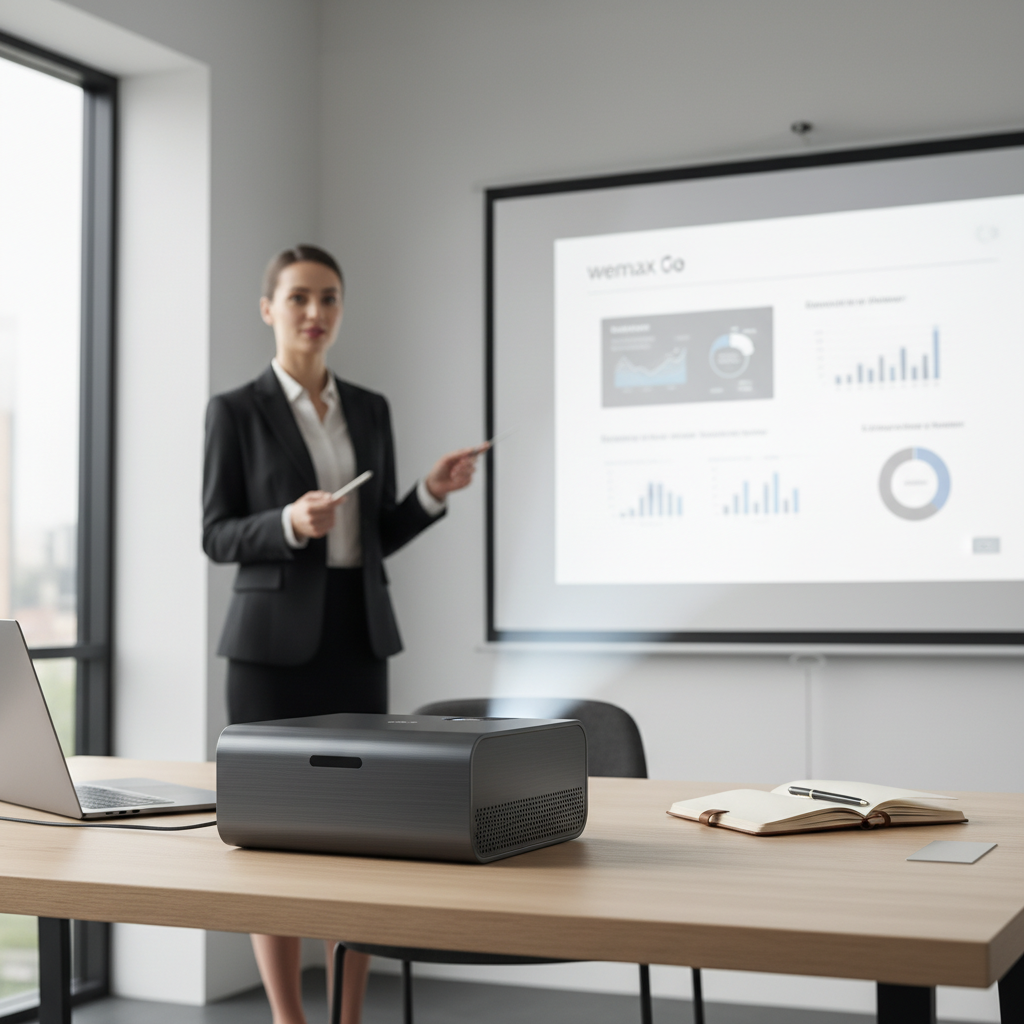
Dreaming of cinematic experiences at home or on the go without emptying your wallet? Pocket projectors have revolutionized how we consume media, bringing big-screen entertainment into compact, affordable packages. By 2026, the market offers an impressive array of options, making it easier than ever to find a mini projector that fits your lifestyle and budget. This comprehensive guide will navigate you through the best pocket projectors under $200, detailing what truly matters in your selection and helping you uncover the perfect device for your needs.
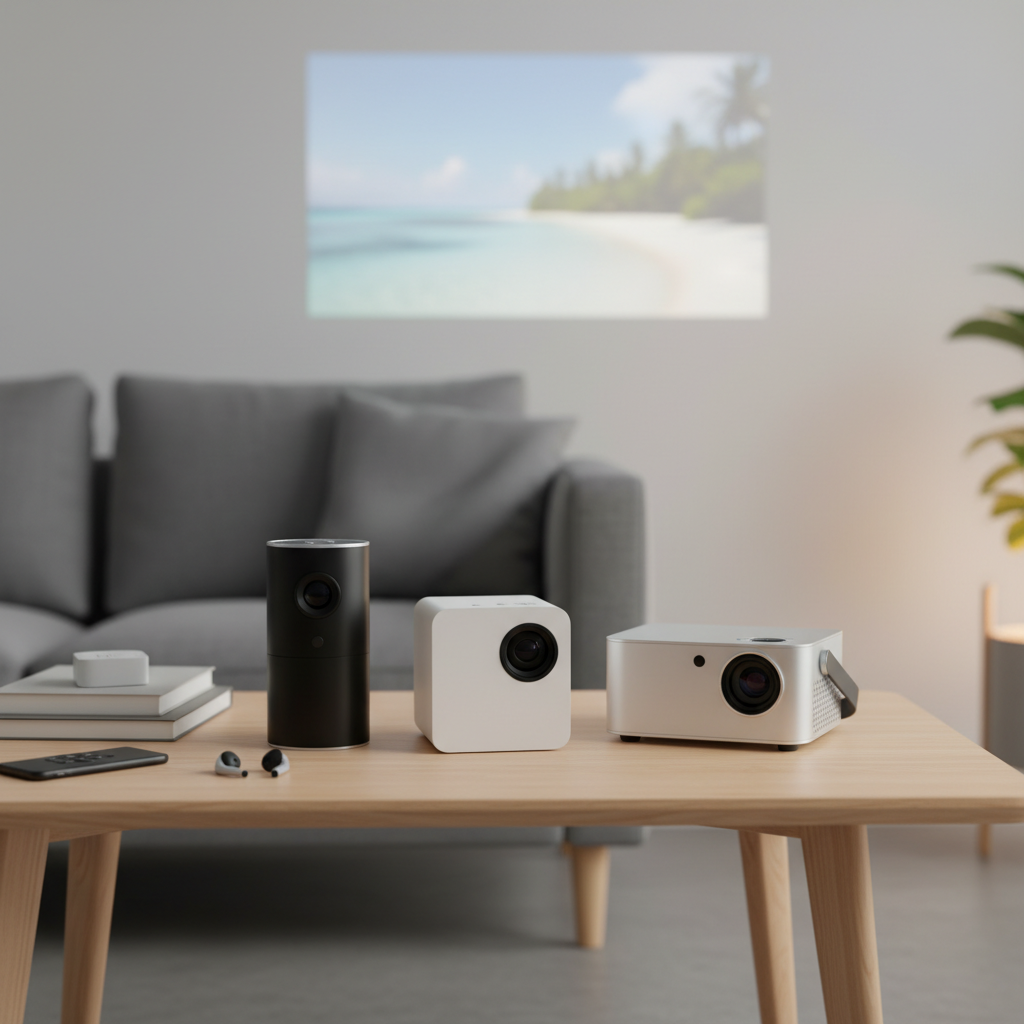
Types of Mini Projectors
Before diving into specific models, understanding the core technologies behind mini projectors is crucial. While many budget models employ variations, the primary display technologies are DLP and LCD, often coupled with LED light sources.
- DLP (Digital Light Processing) Projectors: These often use a single Digital Micromirror Device (DMD) chip, which makes them highly compact and capable of producing sharp images with good contrast. Many of the truly “pocket-sized” projectors utilize DLP technology due to its efficiency and smaller footprint.
- LCD (Liquid Crystal Display) Projectors: Typically found in slightly larger mini projectors, LCD models generally offer good color saturation and don’t suffer from the “rainbow effect” sometimes seen with single-chip DLP projectors. However, they can be less portable.
- LED Light Sources: Most modern mini projectors, regardless of DLP or LCD display technology, use an LED light source. LEDs are favored for their incredible longevity, low power consumption, and instant on/off capabilities, eliminating the need for frequent bulb replacements and contributing to the projectors’ compact designs.
|
Our Picks for the Best Mini projector in 2026
As an Amazon Associate I earn from qualifying purchases.
|
||
| Num | Product | Action |
|---|---|---|
| 1 | Mini Projector, ELEPHAS Portable Projector for iPhone, 7000L with Synchronize Smartphone Screen, Movie Projector with 1080P HD/200 Screen Support, Compatible with Android/iOS/TV Stick/HDMI/USB/SD |

|
| 2 | 【Built-in APPS & Electric Focusing & 210° Rotation】Mini Projector With Wifi And Bluetooth, 1080P Portable Projector, Movie Projector for Bedroom, Supports Smartphones/TV Stick/iPad/PS5/Laptop/HDMI/USB |
|
| 3 | [Built-in Apps] CLOKOWE Mini Projector with WiFi and Bluetooth, 2026 Upgraded 1080P Smart Portable Projector with 180° Rotation, Auto Keystone, Compatible with iPhone/Android/Laptop/TV Stick/HDMI/USB |
|
| 4 | Mini Projector with Wifi 6 and Bluetooth5.4, Portable Projector 4K Support, Android 14 Smart Proyector with 200ASIN & Auto Keystone, Alwtniet HY300Pro Small Proyector for Bedroom, Movie, Outdoor |
|
| 5 | Magcubic Mini Projector with WiFi 6 and Bluetooth 5.4, Portable Projector 4K Support, 5W Soundbase Speaker, Auto Vertical Keystone 180°Rotatable Smart Proyector for Movie Home Outdoor |
|
| 6 | HP Smart Mini Projector with WiFi and Bluetooth, Short Throw Projector, Native 1080P Full HD, Official Licensed Apps, Auto Focus & Keystone, Portable Movie Projector for Bedroom & Outdoor |
|
| 7 | Mini Projector with WiFi 6 and Bluetooth 5.4 Built-in Apps for Bedroom Portable Projector Android 14 Smart Auto Keystone 1080P 4K Support Compatible with iOS/HDMI/TV Stick VisualCube 300 White |
|
| 8 | Optoma 4K UHD Projector HDR High Brightness Home Theater DLP Technology White Compact Design Gaming Ready Streaming Bundle HDMI Cable CPS 12 Month Protection Plan Included |
|
| 9 | HAPPRUN Native 1080P Bluetooth Mini Projector, Full HD Portable Outdoor Movie Projector with Built-in Speaker, Compatible with Smartphone, HDMI, USB, AV, Fire Stick, PS5 for Home, Bedroom, Outdoor Use |
|
| 10 | CiBest Mini Projector, Upgraded Full HD 1080P Support Video Projector, Portable Small Movie Projector, Compatible with iOS/Android/Windows/TV Stick/Box/USB/HDMI |
|
For pocket projectors under $200, you’ll predominantly find DLP projectors with LED light sources, striking a balance between portability, performance, and price.
Criteria for Choosing a Mini Projector Under $200
Selecting the ideal pocket projector means balancing performance with budgetary constraints. Here’s what to prioritize when shopping in the sub-$200 category.
Brightness (ANSI Lumens)
Brightness is arguably the most critical factor for any projector, measured in ANSI Lumens. For pocket projectors under $200, realistic expectations for ANSI Lumens are generally between 50 and 480 ANSI lumens. It’s important to be wary of manufacturers that advertise “Lux” or “LED lumens” without specifying ANSI lumens, as these numbers can be significantly inflated and misleading. A projector in this budget range will perform best in dimly lit or dark environments, making it perfect for evening movie nights or presentations in controlled lighting conditions.
Resolution
The resolution dictates the clarity and detail of your projected image. When looking at projectors under $200, you’ll encounter two key terms: native resolution and supported resolution.
- Native Resolution: This is the actual number of pixels the projector uses to create an image. Common native resolutions in this price bracket include 480p or 720p.
- Supported Resolution: This indicates the maximum input signal the projector can process, often 1080p or even 4K. However, a projector that supports 1080p input but has a native 720p resolution will downscale the image, meaning you won’t get true 1080p quality. For the sharpest image possible, aim for the highest native resolution your budget allows, ideally native 720p, with some newer budget models even offering native 1080p.
Contrast Ratio
The contrast ratio defines the difference between the brightest whites and the darkest blacks a projector can display. A higher contrast ratio results in more vivid colors, greater image depth, and better detail in both bright and dark scenes. While premium projectors boast astronomical contrast ratios, budget models often feature ratios like 15000:1 or 15,000:1, which are respectable for their price point and can deliver a satisfying viewing experience in dark rooms.
Size and Portability
The essence of a “pocket projector” lies in its compact size and lightweight design. These devices are designed for ultimate portability, easily fitting into a backpack, a small bag, or even a large pocket, making them ideal for travel, camping, or impromptu movie nights. Look for models weighing less than a pound with dimensions that are easy to handle. Many portable projectors, like the KODAK Luma 150, also include a built-in battery, offering over 2 hours of playback for true wireless freedom.
Lamp Life
Thanks to LED light sources, modern mini projectors offer an exceptionally long operational lifespan. You can expect a lamp life of 30,000 hours or more, with some models like the AuKing V30 claiming up to 100,000 hours. This translates to years of maintenance-free use, significantly reducing the total cost of ownership compared to traditional lamp-based projectors.
Connectivity Options
Versatile connectivity ensures your projector can connect to a wide range of devices. Essential ports typically include HDMI (for laptops, gaming consoles, streaming sticks), USB (for media playback from flash drives or powering streaming devices), and sometimes AV inputs for older devices. For modern convenience, prioritize models with Wi-Fi (ideally dual-band 2.4GHz/5GHz for faster streaming) and Bluetooth for connecting external speakers, headphones, or controllers. Screen mirroring features like AirPlay or Miracast are also highly desirable for seamless smartphone or tablet integration.
Integrated Speakers
While convenience is a major draw, built-in speakers on pocket projectors are often basic and may lack depth or volume. They are suitable for casual viewing or presentations, but for an immersive audio experience, consider connecting external Bluetooth speakers or headphones. Many budget projectors offer Bluetooth connectivity for this very purpose.
Smart Features and OS
The line between a projector and a smart entertainment hub is blurring. Some budget pocket projectors come with built-in Android TV or a proprietary smart OS, allowing you to directly access popular streaming apps like Netflix, YouTube, and Amazon Prime Video without needing an external streaming stick. This significantly enhances the user experience and adds considerable value.
“When investing in a budget projector, remember that advertised lumens can be highly misleading. Always look for ANSI lumens and manage your expectations – a truly bright image still requires a dark room at this price point.” – Admin, reviewbcm.com
Top Pocket Projectors Under $200 for 2026
The market for budget mini projectors is dynamic, with new models constantly emerging. Here’s a comparison of popular and well-regarded options that often fall within the sub-$200 price range, offering a blend of features and value for 2026.
| Model | Native Resolution | Brightness (ANSI Lumens) | Contrast Ratio | Key Connectivity | Pros | Cons |
|---|---|---|---|---|---|---|
| KODAK Luma 150 | 480p | 60 ANSI | – | HDMI, USB, MicroSD, Wi-Fi | Ultra-compact, good battery life (2+ hrs), smartphone integration | Lower brightness, best in very dark rooms |
| WiMiUS P61 Mini Projector | 1080p (supported) | ~200-350 ANSI (estimated) | 15,000:1 | HDMI, USB, 5G Wi-Fi, BT 5.2 | Supports 1080p, good contrast, electric focus, 5G Wi-Fi, decent speakers | Native resolution might be 720p or lower, higher end of budget |
| Vankyo Leisure 470 | 720p (native claimed) | ~150-250 ANSI (estimated) | – | HDMI, USB, Wi-Fi | Affordable, supports 1080p, wide screen sizes, iOS/Android compatibility | Brightness average, audio can be basic |
| AuKing V30 | 1080p (native) | 480 ANSI | 15,000:1 | HDMI, USB, Dual-band Wi-Fi, BT 5.1 | Native 1080p, high ANSI lumens for budget, long lamp life, versatile | May sometimes exceed $200, size might be on the larger “mini” side |
| Magcubic HY300 Pro / SKUOU HY300 Ultra | 480p-720p | 100-200 ANSI (estimated) | – | HDMI, USB, Wi-Fi, BT | Extremely affordable, basic functions, compact, often under $100 | Low brightness, image quality can be inconsistent |
Note: Brightness figures for budget projectors can be inconsistent across sources. The values provided are based on general estimates for the price range and specific claims where available. Always verify current specifications and user reviews.
Where to Buy Your Pocket Projector
Finding the best deals on pocket projectors under $200 is crucial. Major online retailers like Amazon, Walmart, and Best Buy are excellent starting points, often running promotions and offering competitive prices. Websites specializing in electronics and home theater gear may also have sales. Always compare prices from multiple vendors and check for current discounts. Be cautious of deals that seem too good to be true, as some brands may engage in false advertising regarding specifications like brightness. Reading recent user reviews on these platforms can provide valuable insights into a projector’s real-world performance and customer satisfaction.
Using and Maintaining Your Mini Projector
Getting the most out of your pocket projector involves proper setup and care.
Basic Setup and Operation:
- Power On & Connect: Plug in your projector and connect your desired source (laptop via HDMI, phone via casting, USB drive).
- Positioning: Place the projector at an appropriate distance from your projection surface. Most budget projectors have a fixed throw ratio, so you’ll need to move the unit to adjust screen size.
- Focus: Use the manual focus wheel (or electric focus on some models like the WiMiUS P61) to achieve a sharp image.
- Keystone Correction: If the projector is not perfectly perpendicular to the screen, the image might appear trapezoidal. Use the keystone correction feature (manual or automatic) to square up the image. Keep in mind that digital keystone correction can slightly reduce image quality.
- Audio: Adjust the built-in speaker volume or connect external audio devices via Bluetooth or a 3.5mm audio jack.
Maintenance Tips:
- Keep it Clean: Regularly clean the lens with a microfiber cloth to prevent smudges and dust from affecting image clarity. Ensure proper ventilation around the projector to prevent overheating.
- Dust Prevention: If your projector has a removable dust cover (like the AuKing V30), clean it periodically to maintain optimal performance and prevent dust from reaching the internal components.
- Proper Shutdown: Always follow the manufacturer’s shutdown procedure to ensure the LED light source cools down correctly, extending its lifespan.
Troubleshooting Common Issues
Even with careful use, you might encounter minor issues. Here are quick fixes for common problems:
- Blurry Image:
- Solution: Adjust the focus ring. Ensure the projector is at the correct distance from the screen. Check if the keystone correction is over-applied.
- No Sound:
- Solution: Check the projector’s volume settings and the source device’s volume. Ensure external speakers are properly connected and powered on. Verify the audio output settings on your source device.
- No Signal/Connectivity Problems:
- Solution: Check all cable connections (HDMI, USB) for looseness. Ensure the correct input source is selected on the projector. For wireless connections, restart Wi-Fi/Bluetooth on both devices and re-pair.
- Overheating/Unexpected Shutdown:
- Solution: Ensure the projector’s vents are not blocked. Operate the projector in a well-ventilated area. Allow the projector to cool down before restarting.
Buying Guide: Making the Right Choice
Choosing the perfect pocket projector under $200 boils down to understanding your priorities and managing expectations for the price point.
- Define Your Usage Needs: What will you primarily use the projector for? Is it for casual movie nights with friends, streaming videos in your bedroom, outdoor backyard cinema, or occasional presentations? Your main use case will help determine the most important features.
- Set Your Realistic Budget: While the goal is under $200, some models at the higher end of this budget might offer a significant step up in quality or features. Prioritize what matters most to you within this financial limit.
- Thoroughly Read Reviews: Beyond star ratings, delve into detailed user reviews. Look for feedback on real-world brightness, actual native resolution, fan noise, and how well the smart features (if any) perform. Pay attention to reviews from recent buyers, as product updates can occur.
- Compare Specifications Carefully: Don’t be swayed by inflated marketing claims. Focus on native resolution and ANSI lumens as primary indicators of image quality. Compare connectivity options to ensure compatibility with your existing devices.
Conclusion
The world of pocket projectors under $200 in 2026 offers an exciting gateway to portable big-screen entertainment. While these budget-friendly devices come with certain limitations compared to their high-end counterparts, they deliver incredible value, making immersive viewing experiences accessible to everyone. By carefully considering brightness, native resolution, portability, and connectivity, you can confidently select a mini projector that transforms your living room, backyard, or even a camping trip into a personal cinema.
Are you ready to unlock a new dimension of entertainment? The perfect pocket projector for your adventures awaits!
Frequently Asked Questions
What’s a good brightness (ANSI Lumens) for a pocket projector under $200?
For a pocket projector under $200, a good brightness generally ranges from 100 to 400 ANSI lumens. Keep in mind that even 400 ANSI lumens will still require a dim to dark room for the best viewing experience, as ambient light significantly impacts perceived brightness.
Can I use a pocket projector for gaming?
Yes, you can use a pocket projector for casual gaming. However, for fast-paced or competitive gaming, you should look for models with low input lag. Many budget projectors are perfectly suitable for less demanding games, but serious gamers might find the input lag or refresh rates on some models to be a limitation.
Do pocket projectors have good battery life?
Battery life varies greatly among pocket projectors. Many models designed for portability, like the KODAK Luma 150, offer over 2 hours of continuous playback. Some others, particularly those with higher brightness or smart features, might require external power or have shorter battery endurance. Always check the specific battery life claims if portability without a power source is a priority.
What’s the difference between native and supported resolution?
Native resolution is the true physical pixel count of the projector’s display chip, dictating the actual clarity of the image. Supported resolution refers to the highest input signal the projector can receive. For example, a projector with a native 720p resolution might support a 1080p input, but it will downscale that 1080p signal to fit its 720p display, meaning the output quality won’t be true 1080p.
Are cheap projectors reliable?
While the budget segment can sometimes include brands with inconsistent quality or inflated claims, many cheap projectors from reputable budget manufacturers offer decent reliability for their price. Focus on models with a good number of positive, recent user reviews, and verify key specifications like ANSI lumens and native resolution to ensure you’re getting a product that meets realistic expectations for the cost.