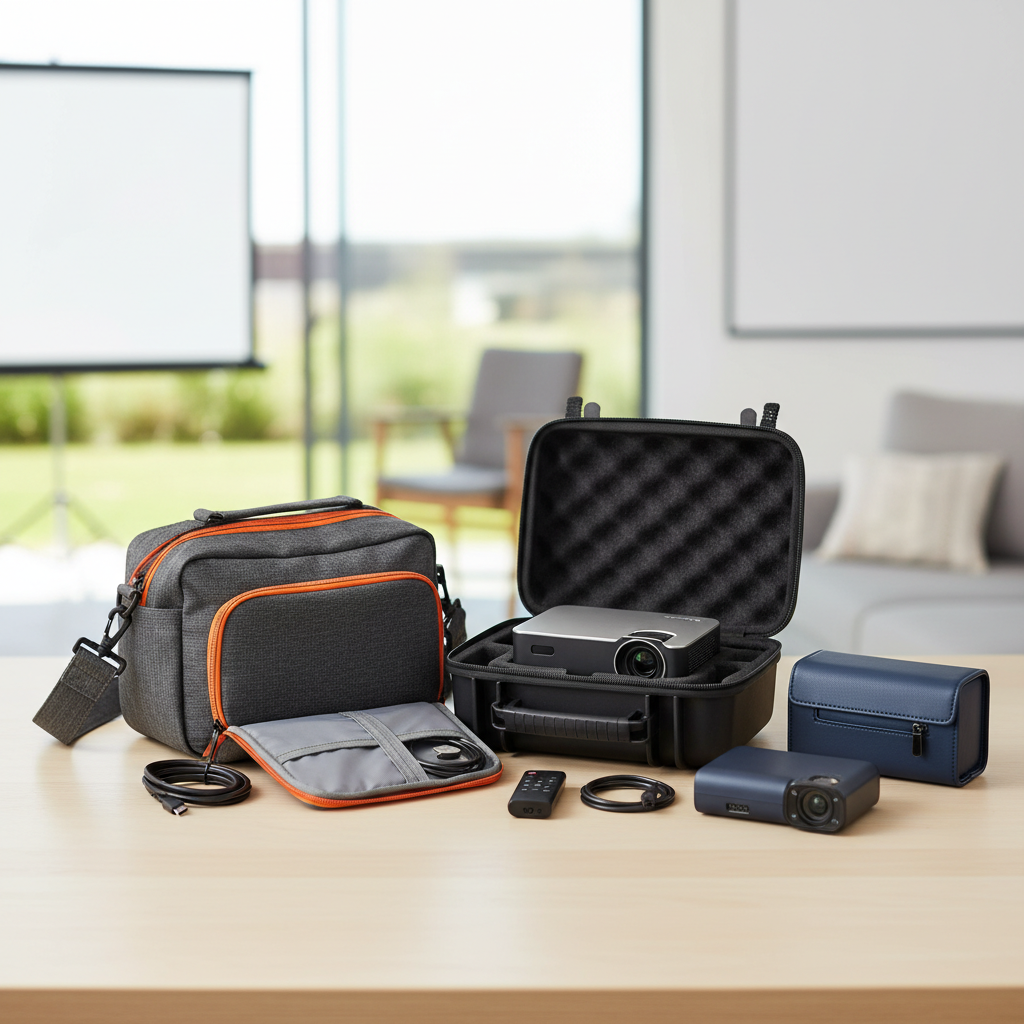
The appeal of a budget-friendly projector is undeniable. Imagine transforming any room into a home cinema or making a presentation without breaking the bank. However, the initial excitement often gives way to frustration when these inexpensive devices inexplicably stop working far sooner than expected. Many users find themselves asking, “Why do cheap projectors burn out fast?” The truth lies in a combination of manufacturing compromises, substandard components, and design shortcuts that prioritize low cost over long-term durability.
The Allure of the Bargain: A Tempting Proposition
In today’s market, finding a projector for under a couple of hundred dollars is easier than ever. These attractive price points promise big-screen entertainment or versatile presentation tools for a fraction of the cost of their premium counterparts. For many first-time buyers or those with casual use in mind, the prospect of a large, immersive image at such a low entry barrier is incredibly tempting. Retailers often boast impressive specifications like “1080p supported” resolutions and “100,000-hour LED lamp life,” further fueling the belief that a great deal has been found. Yet, the reality of these claims frequently falls short, leading to disappointment and, ultimately, a prematurely defunct device.
The Unseen Truth: Core Reasons Behind Early Projector Failure
The rapid decline and burnout of cheap projectors aren’t random occurrences but rather direct consequences of fundamental design and material choices made to keep prices low. Understanding these underlying issues is crucial for anyone considering a budget model.
Inferior Components and Materials
|
Our Picks for the Best Mini projector in 2026
As an Amazon Associate I earn from qualifying purchases.
|
||
| Num | Product | Action |
|---|---|---|
| 1 | CiBest Mini Projector, Upgraded Full HD 1080P Support Video Projector, Portable Small Movie Projector, Compatible with iOS/Android/Windows/TV Stick/Box/USB/HDMI |

|
| 2 | Mini Projector with Wifi 6 and Bluetooth5.4, Portable Projector 4K Support, Android 14 Smart Proyector with 200ASIN & Auto Keystone, Alwtniet HY300Pro Small Proyector for Bedroom, Movie, Outdoor |
|
| 3 | 【Built-in APPS & Electric Focusing & 210° Rotation】Mini Projector With Wifi And Bluetooth, 1080P Portable Projector, Movie Projector for Bedroom, Supports Smartphones/TV Stick/iPad/PS5/Laptop/HDMI/USB |
|
| 4 | Mini Projector, ELEPHAS Portable Projector for iPhone, 7000L with Synchronize Smartphone Screen, Movie Projector with 1080P HD/200 Screen Support, Compatible with Android/iOS/TV Stick/HDMI/USB/SD |
|
| 5 | Magcubic Mini Projector with WiFi 6 and Bluetooth 5.4, Portable Projector 4K Support, 5W Soundbase Speaker, Auto Vertical Keystone 180°Rotatable Smart Proyector for Movie Home Outdoor |
|
| 6 | Mini Projector with WiFi 6 and Bluetooth 5.4 Built-in Apps for Bedroom Portable Projector Android 14 Smart Auto Keystone 1080P 4K Support Compatible with iOS/HDMI/TV Stick VisualCube 300 White |
|
| 7 | HP Smart Mini Projector with WiFi and Bluetooth, Short Throw Projector, Native 1080P Full HD, Official Licensed Apps, Auto Focus & Keystone, Portable Movie Projector for Bedroom & Outdoor |
|
| 8 | [Built-in Apps] CLOKOWE Mini Projector with WiFi and Bluetooth, 2026 Upgraded 1080P Smart Portable Projector with 180° Rotation, Auto Keystone, Compatible with iPhone/Android/Laptop/TV Stick/HDMI/USB |
|
| 9 | HAPPRUN Native 1080P Bluetooth Mini Projector, Full HD Portable Outdoor Movie Projector with Built-in Speaker, Compatible with Smartphone, HDMI, USB, AV, Fire Stick, PS5 for Home, Bedroom, Outdoor Use |
|
| 10 | Optoma 4K UHD Projector HDR High Brightness Home Theater DLP Technology White Compact Design Gaming Ready Streaming Bundle HDMI Cable CPS 12 Month Protection Plan Included |
|
At the heart of every electronic device, component quality dictates longevity. Cheap projectors commonly utilize lower-grade parts across the board, from the optical system to the power supply. The light source, whether a traditional lamp or an LED, is often sourced for cost-efficiency rather than maximum durability. Similarly, internal wiring, circuit boards, and even external plastics might be less resilient. These shortcuts create a domino effect where one weak link can compromise the entire system, leading to quicker degradation and eventual failure. Many internal components, such as fans, motherboards, and power supplies, have notably higher failure rates in these budget units.
The Overheating Epidemic: Flawed Cooling Systems
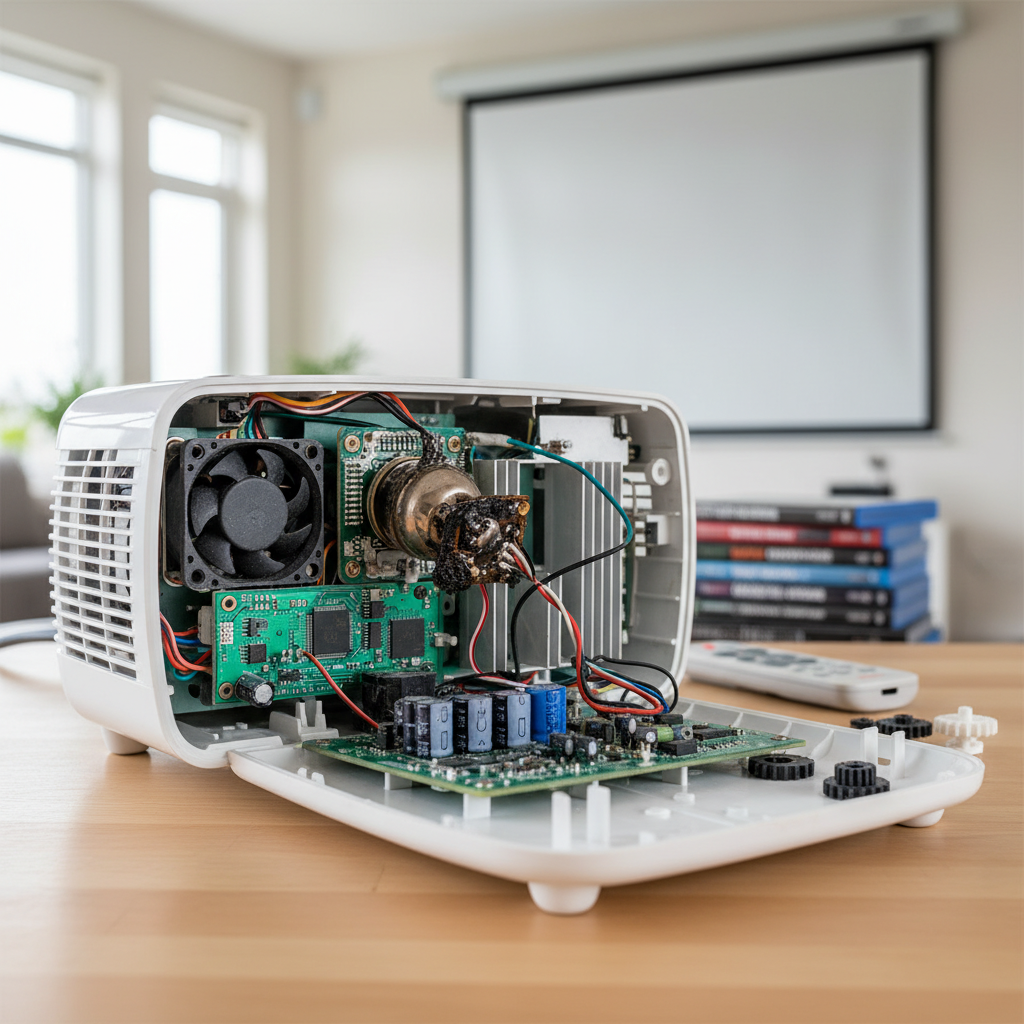
Perhaps the most significant factor contributing to the early demise of inexpensive projectors is their inadequate cooling architecture. Projectors generate substantial heat, especially from their light source. High-quality projectors invest heavily in sophisticated cooling systems involving efficient fans, heat sinks, and sometimes even liquid cooling or copper heat pipes to dissipate this heat effectively.
Budget projectors, however, often skimp on these critical features. They typically employ cheaper, less efficient fans that struggle to move enough air, or they may lack proper heat sinks and active cooling designs altogether. This results in heat building up rapidly within the device. Prolonged exposure to high temperatures “bakes” sensitive internal components, particularly the LCD panel or the optical path’s polarizer filters. This thermal stress causes irreversible damage, manifesting as burned spots on the image, color shifts, reduced brightness, or a complete shutdown. The repeated heating and cooling cycles further accelerate component fatigue, leading to premature brightness loss and total breakdown.
Deceptive Light Sources: Short-Lived Brightness
Many cheap LED projectors advertise an astounding “100,000 hours” of lamp life, a figure that sounds incredibly impressive compared to traditional lamp projectors. While it’s true that LED diodes can last a very long time under ideal conditions, the reality in a budget projector is often different. The LEDs used might be lower quality, driven harder than optimal, or, crucially, suffer from the inadequate cooling mentioned above.
As a result, even if the LED diode itself doesn’t physically “burn out” in the traditional sense, its brightness can decline dramatically and rapidly. A projector that looks bright and vibrant out of the box may quickly lose its luminescence, becoming dim and washed out within months, even in a dark room. This rapid degradation makes the projector practically unusable long before it reaches its advertised lifespan, leading consumers to believe the entire unit has failed.
Compromised Manufacturing and Quality Control
The rush to produce low-cost units often means corners are cut in the manufacturing process and quality control. This can manifest in several ways:
- Poor Assembly: Components might not be seated correctly, or connections could be flimsy.
- Lack of Sealing: Inadequate sealing can allow dust and debris to enter the optical system, causing dark spots or blurry images that are impossible to clean. This significantly impacts image quality and can accelerate wear on sensitive optical elements.
- Inconsistent Build Quality: There’s a wider variance in the quality of individual units within the same model line, making it a gamble for consumers.
These issues directly impact the projector’s reliability and its ability to withstand regular use, contributing to its short lifespan.
Beyond Longevity: Other Performance Compromises
While not directly related to burnout, other performance compromises in cheap projectors highlight their overall lack of quality and contribute to user dissatisfaction:
- Weak Processing Power: Low-end processors struggle to handle video scaling, refresh rate conversion, and image adjustments, leading to input lag and a less fluid viewing experience.
- Poor Image Quality: Cheap lenses result in blurry, washed-out, or unevenly focused images with poor contrast and color accuracy.
- Loud Fan Noise: Inefficient cooling systems often require fans to run at high speeds, generating distracting noise levels.
These factors, combined with the underlying issues of durability, paint a clear picture of why a seemingly great deal can quickly become a regrettable purchase.
The True Cost of a Cheap Projector
Initially, a cheap projector appears to save money. However, the hidden costs often outweigh the initial savings. Frequent replacements, the frustration of a failing device, and a consistently subpar viewing experience all add up. The lack of manufacturer support, often nonexistent or difficult to access for these brands, means users are usually on their own when issues arise, forcing them to buy another unit rather than repair the existing one. Ultimately, the true cost isn’t just the purchase price, but the cumulative expense of repeated purchases and the disappointment of owning unreliable technology.
Extending Projector Life (Even a Budget One): Practical Tips
While a cheap projector might have inherent limitations, some practices can help maximize its lifespan:
- Ensure Proper Ventilation: Always place your projector in an open area with plenty of space around it for airflow. Avoid confining it in tight cabinets or near walls that block vents.
- Regular Cleaning: Dust and debris are enemies of electronics. Periodically clean the air filters (if accessible) and gently dust the exterior vents with compressed air to prevent buildup that impedes cooling.
- Limit Usage Duration: Avoid running the projector for excessively long periods. Giving it breaks can help prevent overheating.
- Maintain Optimal Environment: Keep the projector in a cool, dry place. Extreme temperatures, high humidity, or dusty environments can accelerate component degradation.
- Power Down Properly: Always allow the projector to complete its cool-down cycle before unplugging it. Abruptly cutting power can damage the light source and other components.
Investing Wisely: What to Look for in a Durable Projector
If longevity and performance are priorities, a slightly higher initial investment can pay dividends. When shopping for a projector, consider:
- Reputable Brands: Established manufacturers typically have stricter quality control, better component sourcing, and more advanced cooling designs.
- Actual Brightness and Contrast: Don’t just rely on advertised lumen counts; look for reviews that measure actual output and contrast ratios.
- Cooling System Design: While not always obvious from specs, professional reviews often highlight the effectiveness of a projector’s cooling system and its impact on noise levels and durability.
- Warranty and Support: A robust warranty and accessible customer support indicate a manufacturer’s confidence in their product and commitment to their customers.
- User Reviews for Longevity: Pay attention to long-term user reviews, specifically mentioning how the projector performed after several months or years of use.
Conclusion
The “truth” about why cheap projectors burn out fast boils down to a fundamental trade-off: aggressive cost-cutting at the expense of quality and durability. From substandard components and inefficient cooling systems to misleading specifications and poor manufacturing, these devices are often designed with a shorter expected lifespan. While the initial bargain price is enticing, the cycle of early failure, performance issues, and eventual replacement can quickly negate any perceived savings. By understanding these inherent flaws and adopting mindful usage and careful purchasing habits, consumers can make more informed decisions, ultimately investing in a projector that offers a truly rewarding and long-lasting viewing experience. What will you prioritize in your next projector purchase – immediate savings or enduring value?
Frequently Asked Questions
Why do manufacturers sell projectors that burn out quickly?
Manufacturers sell inexpensive projectors with shorter lifespans to meet market demand for low-cost options. By using cheaper components and simpler designs, they can offer products at highly competitive prices, appealing to budget-conscious consumers who may prioritize initial cost over long-term durability and performance.
Is it worth buying a cheap projector for occasional use?
For very occasional and non-critical use, a cheap projector might suffice if expectations are managed. However, even for infrequent use, you still risk rapid brightness degradation, poor image quality, and sudden component failure due to inherent design flaws, making it a gamble.
How can I tell if a projector has a good cooling system?
It’s difficult to judge cooling from specs alone. Look for reputable brands known for quality. Read professional reviews that assess noise levels (often a proxy for cooling efficiency) and report on long-term performance, including any overheating issues or brightness decline over time.
Do LED projectors last longer than lamp projectors, even cheap ones?
While LED technology generally offers a longer theoretical lifespan than traditional lamps, the quality and implementation of the LED light source, combined with the cooling system, are critical. In cheap projectors, poor cooling and inferior LEDs can lead to rapid brightness degradation and component failure long before the advertised LED lifespan is reached.
What’s the biggest red flag when buying a budget projector?
One of the biggest red flags when buying a budget projector is unrealistic specifications, particularly exaggerated lumen ratings or extremely long “LED lamp life” claims from unknown brands. These often indicate a significant disconnect between advertised performance and actual product quality and durability.