Imagine enjoying your favorite blockbuster, delivering a crisp business presentation, or diving into an epic gaming session, all without the need for a darkened room. For years, projectors were synonymous with dim lighting, but advancements in technology have ushered in an era where vibrant, clear images are possible even with ambient light or during the day. If you’re looking to cut the cord on darkness and embrace flexible viewing, understanding the best projectors for daylight viewing in 2026 is crucial. This guide will walk you through the essential features, top models, and practical tips to ensure your projection shines bright, no matter the light.
Types of Projectors for Bright Environments
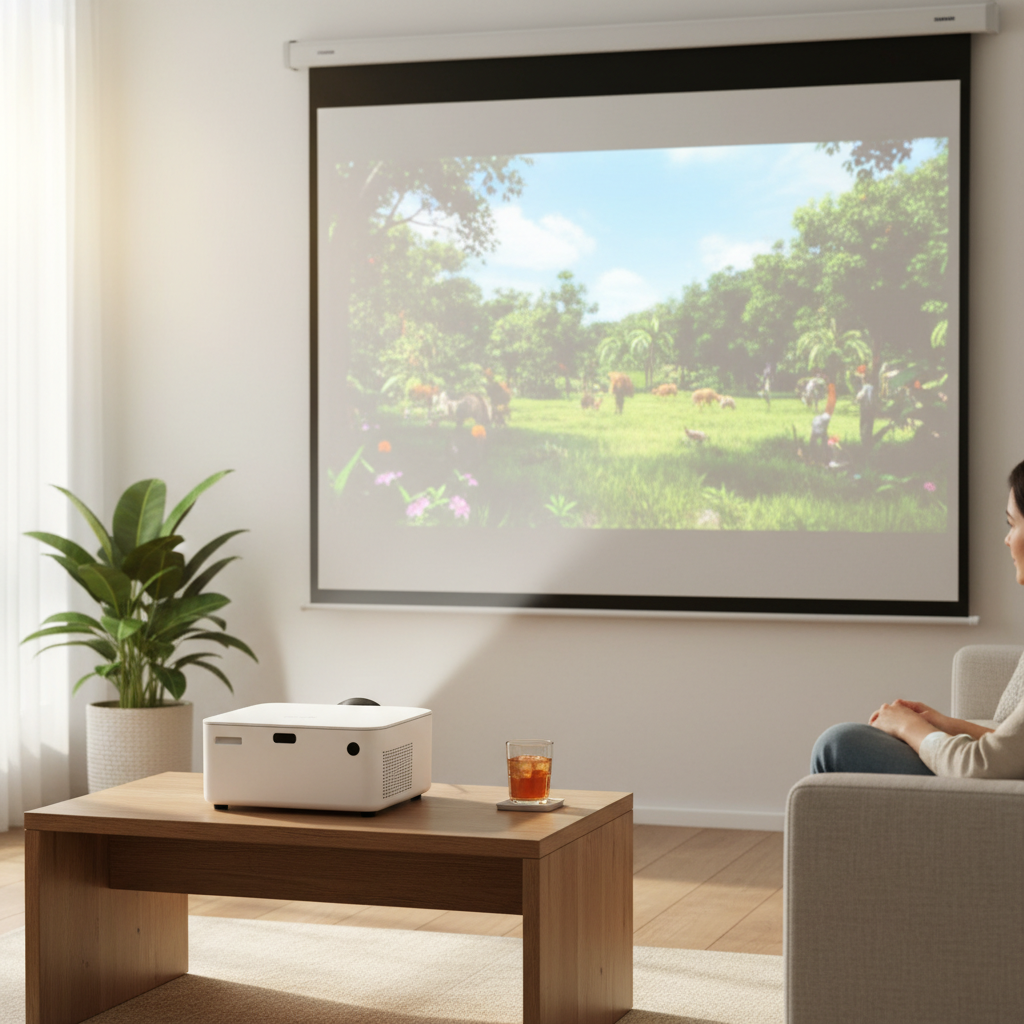
Modern projectors utilize various display technologies and light sources, each with distinct advantages for tackling ambient light. Understanding these types is the first step toward choosing a projector that can truly conquer daylight.
Digital Light Processing (DLP) projectors, often found in models from brands like Optoma and BenQ, are known for their sharp images and high contrast. They achieve this using an array of tiny mirrors. While efficient, some viewers might occasionally notice a “rainbow effect” with certain DLP models, although this is becoming less common with newer generations. Liquid Crystal Display (LCD) projectors, frequently used by Epson, offer excellent color accuracy and are generally free from the rainbow effect. They use three separate LCD panels for red, green, and blue light, resulting in a bright and color-rich image.
Beyond display technology, the light source is a critical factor for daylight performance. Traditional lamp-based projectors are still available and can be budget-friendly, but their lamps have a limited lifespan, typically around 2,000 to 4,000 hours, and their brightness can degrade over time. In contrast, LED projectors offer a significantly longer lifespan and consistent brightness, though they often can’t match the sheer lumen output of high-end lamp or laser projectors.
However, the real game-changer for bright environments is laser projector technology. Laser projectors deliver exceptional brightness, often ranging from 3,000 to over 6,000 lumens in consumer models, alongside superior color accuracy and impressive contrast. They boast an extended lifespan of 10,000 to 30,000 hours or more, virtually eliminating the need for lamp replacements. Advanced Triple Laser (RGB Laser) systems provide the widest color gamut, making colors appear noticeably richer and more accurate.
Another important category, especially for smaller spaces and pairing with specialized screens, is Ultra-Short Throw (UST) projectors. These projectors can project a massive image from just inches away from the screen, making them ideal for living rooms and solving the issue of shadows cast by people walking in front of the beam. When combined with an Ambient Light Rejecting (ALR) screen, UST projectors offer an impressive “lights-on” viewing experience.
Criteria for Choosing a Daylight Projector
Selecting the ideal projector for daylight viewing involves a careful consideration of several technical specifications and features. Prioritizing these elements will help ensure your investment delivers a clear and impactful image, even in challenging lighting conditions.
Brightness (ANSI Lumens)
|
Our Picks for the Best Mini projector in 2026
As an Amazon Associate I earn from qualifying purchases.
|
||
| Num | Product | Action |
|---|---|---|
| 1 | CiBest Mini Projector, Upgraded Full HD 1080P Support Video Projector, Portable Small Movie Projector, Compatible with iOS/Android/Windows/TV Stick/Box/USB/HDMI |

|
| 2 | Magcubic Mini Projector with WiFi 6 and Bluetooth 5.4, Portable Projector 4K Support, 5W Soundbase Speaker, Auto Vertical Keystone 180°Rotatable Smart Proyector for Movie Home Outdoor |
|
| 3 | HAPPRUN Native 1080P Bluetooth Mini Projector, Full HD Portable Outdoor Movie Projector with Built-in Speaker, Compatible with Smartphone, HDMI, USB, AV, Fire Stick, PS5 for Home, Bedroom, Outdoor Use |
|
| 4 | [Built-in Apps] CLOKOWE Mini Projector with WiFi and Bluetooth, 2026 Upgraded 1080P Smart Portable Projector with 180° Rotation, Auto Keystone, Compatible with iPhone/Android/Laptop/TV Stick/HDMI/USB |
|
| 5 | Mini Projector, ELEPHAS Portable Projector for iPhone, 7000L with Synchronize Smartphone Screen, Movie Projector with 1080P HD/200 Screen Support, Compatible with Android/iOS/TV Stick/HDMI/USB/SD |
|
| 6 | HP Smart Mini Projector with WiFi and Bluetooth, Short Throw Projector, Native 1080P Full HD, Official Licensed Apps, Auto Focus & Keystone, Portable Movie Projector for Bedroom & Outdoor |
|
| 7 | 【Built-in APPS & Electric Focusing & 210° Rotation】Mini Projector With Wifi And Bluetooth, 1080P Portable Projector, Movie Projector for Bedroom, Supports Smartphones/TV Stick/iPad/PS5/Laptop/HDMI/USB |
|
| 8 | Mini Projector with Wifi 6 and Bluetooth5.4, Portable Projector 4K Support, Android 14 Smart Proyector with 200ASIN & Auto Keystone, Alwtniet HY300Pro Small Proyector for Bedroom, Movie, Outdoor |
|
| 9 | Mini Projector with WiFi 6 and Bluetooth 5.4 Built-in Apps for Bedroom Portable Projector Android 14 Smart Auto Keystone 1080P 4K Support Compatible with iOS/HDMI/TV Stick VisualCube 300 White |
|
| 10 | Optoma 4K UHD Projector HDR High Brightness Home Theater DLP Technology White Compact Design Gaming Ready Streaming Bundle HDMI Cable CPS 12 Month Protection Plan Included |
|
Brightness is arguably the most crucial factor for daylight viewing. Projector brightness is measured in ANSI lumens, a standardized unit that provides a more accurate representation of light output than generic “lumens” claims. For a clear image in a well-lit room, you’ll generally need a projector with at least 2,000 ANSI lumens. If you plan to use it in very bright rooms or outdoors, especially during the day, aiming for 2,500 to 3,000 ANSI lumens or higher is recommended. Some experts suggest 3,500+ lumens for truly bright rooms or outdoor viewing after dark. Keep in mind that outdoor projection before sunset might require commercial-grade projectors exceeding 10,000 lumens to effectively compete with direct sunlight. For shaded outdoor areas or viewing closer to dusk, models with 500 to 1,000 lumens might suffice, particularly with a good screen.
Contrast Ratio
While brightness ensures visibility, contrast ratio is vital for image depth and detail. In brightly lit environments, ambient light can significantly wash out a projector’s image, diminishing the perceived contrast. A higher contrast ratio helps maintain detail in both bright and dark scenes. Look for projectors with a contrast ratio of 3,000:1 or higher for casual viewing in ambient light. For a more cinematic experience in a room with some light control, aiming for 10,000:1 or more is beneficial.
Resolution
Resolution dictates the sharpness and clarity of your projected image. For most casual viewing on screens up to 120 inches, 1080p (Full HD) resolution offers a sharp and enjoyable picture. If you’re projecting onto larger screens (120-150 inches) or plan to sit closer, 4K pixel-shifting technology provides enhanced detail by rapidly shifting pixels to create a perceived 4K image. For the ultimate clarity in a dedicated home theater setup or if you’re sitting very close to a massive screen, native 4K projectors deliver true Ultra HD resolution, though these typically come with a higher price tag.
Light Source Longevity
The type of light source impacts both performance and maintenance. As mentioned, lamp-based projectors are initially more affordable but incur ongoing costs and dimming over time due to lamp replacements. LED and laser light sources, however, offer a significantly longer lifespan (often 10,000 to 30,000 hours or more) and maintain consistent brightness throughout their operational life, making them a more cost-effective and convenient choice in the long run. Laser projectors, in particular, provide superior brightness for daylight conditions.
Connectivity
Modern projectors offer a range of connectivity options to integrate seamlessly with your devices. Essential ports typically include HDMI for high-definition video and audio from streaming sticks, Blu-ray players, and gaming consoles. USB ports are useful for playing media directly from flash drives or powering smart devices. Many projectors also feature wireless connectivity like Wi-Fi and Bluetooth, allowing for screen mirroring from smartphones or tablets, and connecting to external speakers or soundbars for improved audio.
Ambient Light Rejecting (ALR) Screens
Perhaps as important as the projector itself, an Ambient Light Rejecting (ALR) screen is a game-changer for daylight viewing. These specialized screens are engineered to absorb ambient light coming from the sides or top while efficiently reflecting the light from the projector back to the viewer. This drastically improves image contrast and brightness, making the picture appear vibrant even in well-lit rooms. New innovations in ALR technology, such as the AWOL Vision Fresnel PET Daylight ALR Screen unveiled in 2026, are specifically designed for large formats and Ultra-Short Throw projectors, promising “true ‘lights on’ large-format viewing” with minimal impact on picture quality. Pairing a high-lumen projector with a quality ALR screen is the most effective strategy for an optimal daylight viewing experience.
Top Projectors for Daylight Viewing in 2026
The market for projectors capable of cutting through ambient light is vibrant, with several models standing out in 2026 for their impressive brightness, image quality, and features. Here’s a look at some of the best contenders:
For those seeking exceptional brightness and color accuracy, the Epson Pro EX7280 is a strong performer, often highlighted for its 4,000 lumens of both color and white brightness, thanks to its 3LCD technology. It’s lauded for keeping colors vibrant without the “rainbow effects” sometimes seen in other models, making it suitable for both professional presentations and home entertainment. Similarly, the Epson Home Cinema 980 offers 4,000 lumens and 1080p resolution, making it a bright and sharp option for ambient light viewing.
The BenQ TK850i, with 3,000 lumens and 4K resolution, is a popular choice for home theater enthusiasts who need good performance in moderately lit rooms. Another notable option is the Optoma HZ40HDR, delivering a remarkable 4,000 lumens with Full HD 1080p resolution and compatibility with 4K UHD and HDR content, ensuring crisp and vibrant images in well-lit environments.
In the realm of advanced laser technology, the Soundcore Nebula Cosmos 4K SE uses innovative HybridBeam technology to achieve 1,800 ANSI Lumens, offering bright, clear 4K UHD images even with lights on. For those interested in Ultra-Short Throw (UST) options that pair beautifully with ALR screens, Hisense offers compelling models like the Hisense PX3-PRO and Hisense PL2. The PX3-PRO features a TriChroma RGB-laser light engine for vivid colors and high punch, especially when paired with a UST ALR screen. The PL2 also boasts 4K Smart Laser Cinema technology with 2,700 ANSI lumens, providing a balanced and consistent picture.
Mid-range options like the BenQ W2720i provide a well-judged balance of 4K quality and affordability, offering 2,500 lumens and LED DLP technology. For a robust smart projector experience, the Hisense M2 Pro delivers 2,000 ANSI lumens with RGB triple laser and 4K pixel shifting, making it an excellent all-around choice.
“Brightness is not just about lumens; it’s about how the projector’s light engine and display technology work together to combat ambient light, and how effectively that light is delivered to the viewer, often enhanced by the screen.”
For highly portable solutions, while generally less bright, some models like the Anker Nebula Mars 3 Air (400 ANSI Lumens) are suitable for shaded outdoor areas or dusk viewing, offering flexibility for on-the-go entertainment.
Where to Buy Projectors for Daylight Viewing?
When you’re ready to invest in a projector optimized for bright conditions, you’ll find a wide array of options across various reputable retailers. Major electronics stores, both brick-and-mortar and online, such as Amazon, Best Buy, and Newegg, typically carry a broad selection of projectors from leading brands like Epson, BenQ, Optoma, and Hisense.
Specialized audio-visual retailers, whether online or physical, can also be excellent sources, often providing expert advice and a curated selection of higher-end or niche projectors, including UST and advanced laser models. Websites like Adorama, Crutchfield, and ProjectorScreen.com are good places to explore.
It’s always a good idea to compare prices from multiple vendors and look out for seasonal sales or promotions. Manufacturer websites sometimes offer direct purchases or list authorized dealers. When shopping online, pay attention to shipping policies, return options, and customer reviews to ensure a smooth purchasing experience.
Setup and Maintenance Tips for Optimal Daylight Performance
Even with a top-tier daylight projector, proper setup and maintenance are crucial to maximize performance and longevity.
Placement is paramount. For the best results, position your projector to minimize direct sunlight hitting the screen. Even a high-lumen projector benefits from some shade or strategic placement away from strong windows. If using a standard throw projector, ensure it’s at the correct distance from the screen to achieve the desired image size and focus, using optical zoom and lens shift features rather than digital keystone correction, which can degrade image quality. For UST projectors, precise placement close to an ALR screen is key to optimizing its unique light rejection capabilities.
Invest in a quality ALR screen. As highlighted, an Ambient Light Rejecting (ALR) screen is transformative for daylight viewing. These screens are designed to absorb ambient light and reflect only the projector’s light, significantly boosting contrast and color saturation.
Maintain your projector. For lamp-based projectors, regular filter cleaning (if applicable) and ensuring adequate ventilation will extend lamp life and prevent overheating. Laser and LED projectors generally require less maintenance but still benefit from dust-free environments and good airflow. Always refer to your projector’s user manual for specific cleaning and care instructions. Keeping the lens clean with a microfiber cloth is also essential for a clear image.
Troubleshooting Common Issues
Even with the best projectors, you might encounter minor issues, especially when pushing them to perform in bright conditions. Here are a few common problems and how to address them:
- Washed-Out Image: If your image appears faded or dull, even with a high-brightness projector, the primary culprit is usually excessive ambient light overpowering the projection. Re-evaluate your viewing environment to reduce light intrusion, reposition your projector or screen, or consider investing in a higher-gain ALR screen.
- No Image or Signal: First, check all cable connections (HDMI, USB) to ensure they are secure. Confirm that the correct input source is selected on your projector. If using wireless casting, ensure both the projector and the source device are on the same Wi-Fi network and that the casting feature is activated.
- Blurry or Out-of-Focus Picture: Adjust the focus ring on your projector’s lens. If your projector has auto-focus, ensure the feature is enabled and unobstructed. Also, verify that the projector is perpendicular to the screen; excessive keystone correction can sometimes create blurriness at the edges.
Buying Guide: Making Your Final Decision
Choosing the best projector for daylight viewing in 2026 requires a thoughtful approach, balancing performance with your specific needs and budget.
1. Determine Your Primary Use Case: Are you primarily looking for outdoor movie nights (perhaps at dusk), bright living room entertainment, or detailed presentations in a well-lit office? Your intended use will heavily influence the required brightness, resolution, and features. For instance, a portable projector for casual backyard viewing may have different requirements than a permanent installation in a sunny media room.
2. Set a Realistic Budget: Projector prices vary widely, from a few hundred dollars for basic models to several thousands for high-end laser 4K projectors with advanced features. Establish how much you’re willing to spend, remembering to factor in the cost of an Ambient Light Rejecting (ALR) screen, which can significantly enhance performance in bright environments.
3. Prioritize Key Features: Based on your use case and budget, decide which features are most important. For daylight viewing, high ANSI lumens (2,500+ for indoor ambient light, 3,500+ for brighter conditions) and a laser light source for longevity and consistent brightness are highly recommended. Consider 4K resolution for sharp detail and an ALR screen as a crucial companion.
4. Read Reviews and Watch Demos: Before making a purchase, consult independent reviews from trusted sources to get real-world performance insights. User reviews can also highlight common pros and cons. If possible, experience a projector demo in a setting similar to your own to gauge its performance firsthand.
5. Compare Models and Prices: Once you have a shortlist of potential projectors, compare their specifications, features, and prices across different retailers. Look for bundle deals that might include an ALR screen or other accessories.
Conclusion
The era of projectors being confined to dark rooms is firmly in the past. With significant advancements in light source technology, brightness, and screen innovations, enjoying large, vibrant images in daylight is more achievable than ever in 2026. By understanding the critical role of high ANSI lumens, advanced laser light sources, and the indispensable Ambient Light Rejecting (ALR) screens, you can make an informed decision. Whether for movies, gaming, or presentations, the right projector can transform your viewing experience, making it versatile enough to shine in any light condition.
Are you ready to bring your big-screen experience into the light?
Frequently Asked Questions
How many lumens are good for a projector in a room with daylight?
For a room with significant daylight, a projector with at least 2,000 to 3,000 ANSI lumens is generally recommended. For brighter rooms or outdoor use during the day, aiming for 3,500 ANSI lumens or higher is ideal to ensure the image remains clear and vibrant.
Can a regular projector work in daylight?
While any projector will cast an image in daylight, a “regular” projector (typically under 2,000 ANSI lumens) will likely produce a very washed-out and dim picture that is hard to see. For truly viewable images in daylight, a high-brightness projector, often with a laser light source, paired with an Ambient Light Rejecting (ALR) screen, is necessary.
What is an ALR screen and why is it important for daylight viewing?
An ALR (Ambient Light Rejecting) screen is a specialized projection screen designed to absorb ambient light from its surroundings while reflecting the projector’s light back to the viewer. This significantly improves picture contrast, brightness, and color saturation, making it essential for a clear and vibrant image when viewing in brightly lit environments or during the day.
Is a laser projector better than LED for daylight?
Generally, laser projectors are superior to LED projectors for daylight viewing due to their significantly higher brightness output. While LED projectors offer excellent color and longevity, consumer laser projectors can achieve 3,000-6,000+ ANSI lumens, compared to typically lower brightness levels for LED, making them more effective at combating ambient light.
Do 4K projectors perform well in bright rooms?
A 4K resolution projector can perform exceptionally well in bright rooms, provided it also has sufficient brightness (high ANSI lumens) and is preferably paired with an Ambient Light Rejecting (ALR) screen. Resolution alone does not guarantee performance in ambient light; brightness and contrast are equally, if not more, critical factors for daylight viewing.