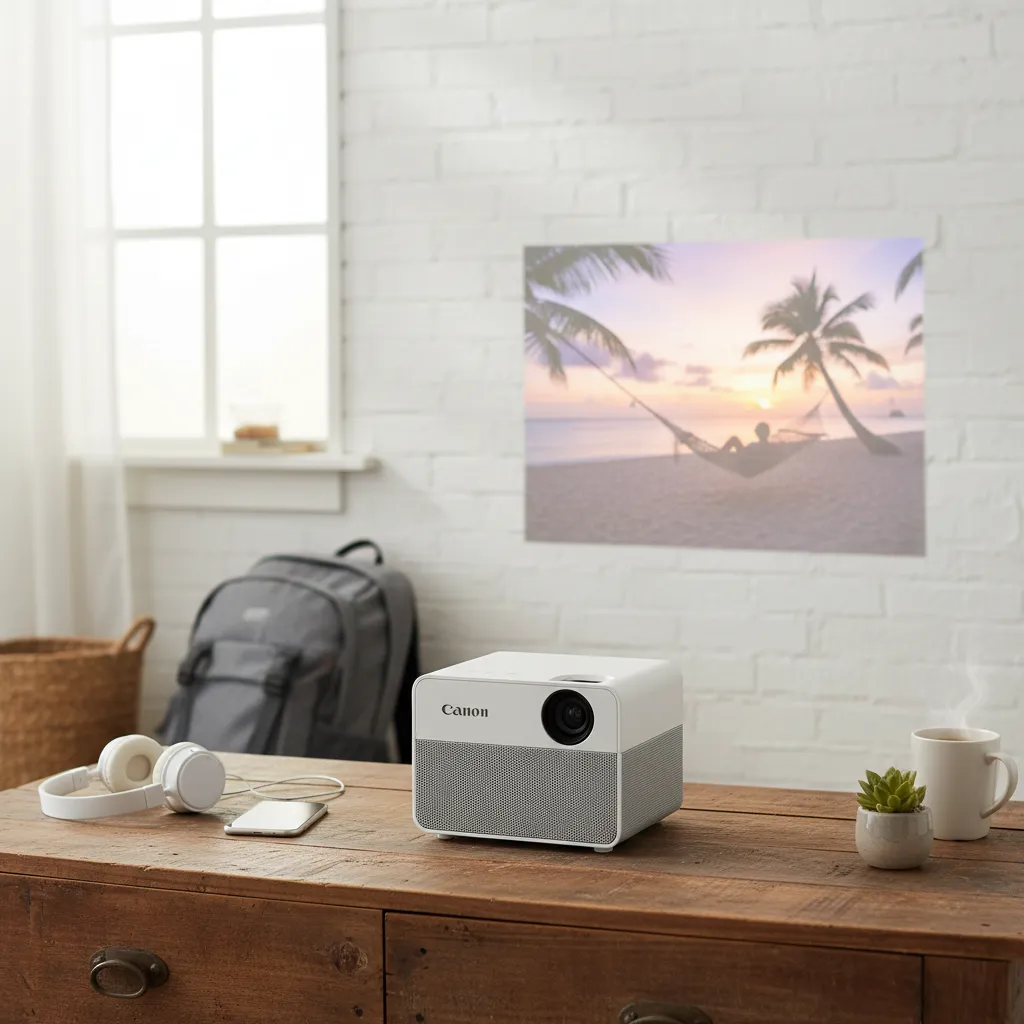
The world of portable entertainment has seen rapid advancements, and mini projectors have become a staple for on-the-go viewing and presentations. Among the array of options, the Canon Rayo S1 emerged as a noteworthy contender, promising a versatile blend of projection and audio capabilities. While it first made its debut around 2019 and was officially discontinued in September 2022, understanding its features and performance remains relevant for those exploring the second-hand market or simply curious about its legacy in portable projection technology. This review delves into the Canon Rayo S1, examining its strengths, limitations, and overall value as a compact projector and integrated speaker combo.
Popular Types of Mini Projectors
Mini projectors leverage various technologies to deliver portable visuals. The Canon Rayo S1, for instance, utilizes DLP (Digital Light Processing) technology combined with an LED light source. DLP projectors are known for their sharp images and good contrast, while LED light sources offer long lamp life and energy efficiency, making them ideal for compact devices. Other types include LCD-based mini projectors, which often provide vibrant colors, and laser projectors, offering superior brightness and focus-free operation. The Rayo S1’s design focuses on ultra-portability, fitting into a category designed for quick setups and mobile use rather than high-fidelity home theater experiences.
Essential Criteria for Choosing a Mini Projector
Selecting the right mini projector involves evaluating several key specifications to match your specific needs.
Brightness and Contrast
|
Our Picks for the Best Mini projector in 2026
As an Amazon Associate I earn from qualifying purchases.
|
||
| Num | Product | Action |
|---|---|---|
| 1 | Mini Projector with WiFi 6 and Bluetooth 5.4 Built-in Apps for Bedroom Portable Projector Android 14 Smart Auto Keystone 1080P 4K Support Compatible with iOS/HDMI/TV Stick VisualCube 300 White |

|
| 2 | Optoma 4K UHD Projector HDR High Brightness Home Theater DLP Technology White Compact Design Gaming Ready Streaming Bundle HDMI Cable CPS 12 Month Protection Plan Included |
|
| 3 | Magcubic Mini Projector with WiFi 6 and Bluetooth 5.4, Portable Projector 4K Support, 5W Soundbase Speaker, Auto Vertical Keystone 180°Rotatable Smart Proyector for Movie Home Outdoor |
|
| 4 | Mini Projector, ELEPHAS Portable Projector for iPhone, 7000L with Synchronize Smartphone Screen, Movie Projector with 1080P HD/200 Screen Support, Compatible with Android/iOS/TV Stick/HDMI/USB/SD |
|
| 5 | CiBest Mini Projector, Upgraded Full HD 1080P Support Video Projector, Portable Small Movie Projector, Compatible with iOS/Android/Windows/TV Stick/Box/USB/HDMI |
|
| 6 | Mini Projector with Wifi 6 and Bluetooth5.4, Portable Projector 4K Support, Android 14 Smart Proyector with 200ASIN & Auto Keystone, Alwtniet HY300Pro Small Proyector for Bedroom, Movie, Outdoor |
|
| 7 | [Built-in Apps] CLOKOWE Mini Projector with WiFi and Bluetooth, 2026 Upgraded 1080P Smart Portable Projector with 180° Rotation, Auto Keystone, Compatible with iPhone/Android/Laptop/TV Stick/HDMI/USB |
|
| 8 | HAPPRUN Native 1080P Bluetooth Mini Projector, Full HD Portable Outdoor Movie Projector with Built-in Speaker, Compatible with Smartphone, HDMI, USB, AV, Fire Stick, PS5 for Home, Bedroom, Outdoor Use |
|
| 9 | 【Built-in APPS & Electric Focusing & 210° Rotation】Mini Projector With Wifi And Bluetooth, 1080P Portable Projector, Movie Projector for Bedroom, Supports Smartphones/TV Stick/iPad/PS5/Laptop/HDMI/USB |
|
| 10 | HP Smart Mini Projector with WiFi and Bluetooth, Short Throw Projector, Native 1080P Full HD, Official Licensed Apps, Auto Focus & Keystone, Portable Movie Projector for Bedroom & Outdoor |
|
Brightness, measured in ANSI Lumens, determines how visible your projected image will be, especially in ambient light. The Canon Rayo S1 offers 100 ANSI Lumens, which is typical for a pico projector of its generation. This level of brightness means the Rayo S1 performs best in dimly lit environments, such as a darkened room for movies or an evening outdoor gathering. In bright daylight or well-lit rooms, the image will appear faint. Contrast ratio, expressed as a ratio (e.g., 800:1), indicates the difference between the darkest and brightest parts of an image, contributing to visual depth and clarity. The Rayo S1’s 800:1 contrast ratio is decent for its class, enhancing the readability of text and definition in videos.
Resolution
Resolution dictates the sharpness and detail of the projected image. Common resolutions for mini projectors include 480p, 720p, and 1080p. The Canon Rayo S1 features a native resolution of 854×480 (WVGA), meaning it projects images with this pixel density. While it can accept a maximum input resolution of Full HD (1920×1080), the output will be scaled down to its native WVGA resolution. For casual viewing or small presentations, this resolution is adequate, but for crisp, high-definition content, users may notice a lack of fine detail.
Size and Portability
One of the most compelling advantages of mini projectors like the Rayo S1 is their exceptional portability. Weighing a mere 235 grams and measuring approximately 105 x 105 x 20mm, the Rayo S1 is genuinely pocket-sized. This compact form factor makes it an ideal companion for travelers, business professionals needing quick presentations, or families wanting impromptu movie nights anywhere. Its lightweight design ensures it can be easily carried in a bag or even a large pocket, offering unparalleled convenience.
Lamp Life
The Rayo S1 utilizes an LED light source, which boasts a significantly longer lifespan compared to traditional projector lamps. With an estimated lamp life of 10,000 hours, you can expect years of use without needing to replace the light source. This extended durability translates to lower maintenance costs and greater peace of mind, making it a cost-effective option in the long run.
Connectivity
Connectivity options are crucial for a projector’s versatility. The Canon Rayo S1 includes a USB Type-A port for playing media directly from a flash drive, as well as an Android 7.1 operating system for downloading apps and browsing the web via its built-in Wi-Fi (supporting 2.4 GHz and 5 GHz bands). It also features Bluetooth 4.0 for wireless audio streaming and screen mirroring from iOS, Android, and Windows devices. However, a notable omission is the lack of an HDMI input. This can be a significant limitation, as HDMI is a standard for connecting many modern devices like laptops, gaming consoles, and streaming sticks, requiring users to rely on screen mirroring or USB playback.
Built-in Speaker
As a “speaker combo,” the audio quality of the Rayo S1 is a key consideration. It integrates a 3W speaker, which provides surprisingly crisp and clear sound for its compact size. While it won’t replace a dedicated sound system, it’s sufficient for personal viewing, small group presentations, or background music. For a more immersive audio experience, the device also includes a 3.5mm headphone jack, allowing connection to external speakers or headphones. This dual functionality as both a projector and a standalone Bluetooth speaker adds significant value to its portability.
Comparing the Canon Rayo S1 with Other Mini Projectors
When evaluating the Canon Rayo S1, it’s essential to consider its specifications against the broader market of mini projectors, both from its era and more recent releases.
| Feature | Canon Rayo S1 (Circa 2019) | Typical Modern Mini Projector (Entry-Level) | Typical Modern Mini Projector (Mid-Range) |
|---|---|---|---|
| Native Resolution | 854×480 (WVGA) | 720p (1280×720) | 1080p (1920×1080) |
| Brightness | 100 ANSI Lumens | 150-300 ANSI Lumens | 300-800+ ANSI Lumens |
| Connectivity | USB-A, Wi-Fi, Bluetooth, 3.5mm Audio | HDMI, USB-A, Wi-Fi, Bluetooth, 3.5mm Audio | HDMI, USB-A/C, Wi-Fi (Dual-Band), Bluetooth, Smart OS, Auto-Focus/Keystone |
| Battery Life | Up to 2 hours | 2-3 hours | 2-4 hours |
| Speaker | 3W (Woofer) | 3-5W | 5-10W+ |
| Operating System | Android 7.1 | Basic proprietary OS or Android (newer versions) | Full-fledged Android TV / Custom Smart OS |
| Portability | Ultra-compact (235g) | Compact (300-600g) | Compact to Portable (500g-1kg) |
| Price (Original) | Around $119 USD | $100-$250 | $300-$700+ |
The Rayo S1’s primary drawback compared to newer models is its lower native resolution and brightness, along with the lack of an HDMI port. Many contemporary mini projectors offer at least 720p native resolution and higher brightness, providing a sharper and more vibrant image. However, the Rayo S1’s ultra-compact size, integrated Android OS, and respectable built-in speaker were strong selling points during its active production.
“For its time, the Canon Rayo S1 delivered a compelling package of portability and multi-functionality. Its built-in speaker and smart features set it apart, even if the core projection specs were entry-level.” – Reviewbcm Admin, Mini Projector Specialist
Where to Buy a Mini Projector?
For purchasing new mini projectors, reliable options include major electronics retailers (online and brick-and-mortar), official brand websites, and reputable e-commerce platforms like Amazon or Best Buy. These sources typically offer warranties, customer support, and return policies. Look out for seasonal sales, bundle deals, and product launches to get the best value.
Given that the Canon Rayo S1 was discontinued in 2022, finding a brand-new unit can be challenging. Your best bet for acquiring a Rayo S1 would be through secondary markets. Online marketplaces such as eBay, classifieds websites, or specialized refurbished electronics stores might have units available. When purchasing from these sources, always verify the seller’s reputation, examine product photos closely, and inquire about the device’s condition and any remaining warranty (though unlikely for a discontinued item).
How to Use and Maintain a Mini Projector
Setting up the Canon Rayo S1 is straightforward due to its integrated Android OS and wireless capabilities.
- Power On: Charge the device (up to 4 hours for a full charge) or plug it into a power source.
- Placement: Place the projector on a stable surface or mount it on a tripod (it includes a tripod mount) within a suitable throw distance (2.3′ to 13.7′).
- Focus: Use the manual focus slider to adjust the image sharpness on your projection surface.
- Connect: Use the built-in touchpad to navigate the Android OS. Connect to Wi-Fi for internet access, stream content directly, or mirror your smartphone/tablet screen via Bluetooth. For local content, plug a USB drive into the Type-A port.
- Audio: Utilize the integrated speaker or connect external audio devices via the 3.5mm jack or Bluetooth.
To prolong the life of your Canon Rayo S1:
- Keep it Clean: Regularly dust the lens with a microfiber cloth and keep ventilation ports clear to prevent overheating.
- Optimal Environment: Use the projector in a cool, dry environment (operating temperature 0-40°C) and avoid extreme humidity.
- Battery Care: For optimal battery longevity, avoid completely draining the battery frequently. Store it with some charge if not in use for extended periods.
- Handle with Care: Its compact size makes it susceptible to drops; handle it gently and use a protective case when traveling.
Troubleshooting Common Issues
Even the most reliable devices can encounter occasional issues. Here are solutions to common mini projector problems you might face with the Canon Rayo S1:
- Blurred Image: Ensure the projector is within the recommended throw distance. Use the manual focus slider to fine-tune the image. Check if the lens is clean and free of smudges.
- No Sound: Verify that the volume is not muted on both the projector and the source device. Check if an external speaker or headphones are connected and working correctly. Switch between projector and speaker modes if necessary.
- No Connection/Screen Mirroring Issues: Ensure both the projector and your device are connected to the same Wi-Fi network for screen mirroring. For Bluetooth, ensure both devices are in pairing mode. Restart the projector and your source device to refresh connections.
- Short Battery Life: The Rayo S1 has a maximum 2-hour battery life. Ensure it’s fully charged before use. For longer sessions, keep it plugged into a power source or use its power bank feature with an external battery pack.
Buying Guide: Making the Right Choice
When considering a mini projector, especially one like the Canon Rayo S1 which blends projection with speaker capabilities, a thoughtful approach is key.
Determine Usage Needs
Begin by clarifying your primary purpose. Do you need a projector for business presentations, casual movie nights, gaming, or simply as a portable media hub? The Rayo S1, with its built-in Android OS and speaker, is well-suited for light presentations, media consumption on the go, and as a convenient Bluetooth speaker. If high-resolution gaming or bright, large-screen viewing is your priority, you might need to look at more powerful (and likely less portable) options.
Budget
Set a realistic budget. While the Canon Rayo S1 had an original MSRP around $119, its current market value (if buying used) will vary. Be aware that newer mini projectors with improved specs generally come at a higher price point. Factor in potential accessories like a tripod or external power bank if you plan extended use.
Read Reviews
Thoroughly research user and expert reviews. For the Canon Rayo S1, existing reviews highlight its portability, integrated smart features, and decent speaker quality, while often pointing out the limitations of its brightness, native resolution, and lack of HDMI. Pay attention to feedback regarding real-world performance, battery life, and durability.
Compare Prices
If you’re set on the Canon Rayo S1, compare prices across various secondary markets. Prices for used electronics can fluctuate significantly based on condition, included accessories, and seller reputation. For new mini projectors, compare offers from different retailers to find the best deal. Always consider the total cost, including shipping and any potential import duties.
Conclusion
The Canon Rayo S1, while a product of its time and now discontinued, represented a strong effort by Canon to deliver a multi-functional, ultra-portable device. Its combination of a mini projector, Bluetooth speaker, and power bank in a sleek, pocket-friendly design made it a highly versatile gadget for business and leisure. While its 100-lumen brightness, WVGA resolution, and lack of an HDMI port might not meet the demands of today’s highest-definition content, its built-in Android OS, Wi-Fi, and surprisingly capable speaker offered significant convenience for mobile users. For those seeking an extremely compact, all-in-one entertainment solution for casual use, especially if found at a reasonable price on the used market, the Rayo S1 can still offer value.
Could a future “Rayo S2” or similar successor from Canon address these limitations and re-enter the competitive portable projector market with updated specifications? Only time will tell.
Frequently Asked Questions
Is the Canon Rayo S1 still a good mini projector in 2026?
While the Canon Rayo S1 was discontinued in 2022, its ultra-portability, integrated Android OS, and Bluetooth speaker functionality can still offer value for specific, casual use cases in 2026. However, its 100-lumen brightness and WVGA native resolution are significantly outclassed by newer models, and the lack of an HDMI port remains a major limitation. It might be suitable if you find it at a very low price for niche applications where extreme portability is key and high fidelity is not required.
What is the native resolution of the Canon Rayo S1?
The Canon Rayo S1 features a native resolution of 854×480 pixels, also known as WVGA. While it can accept input signals up to Full HD (1920×1080), the projected image will be downscaled to its native WVGA resolution, meaning the output will not be true 1080p high definition.
Can the Canon Rayo S1 be used as a standalone Bluetooth speaker?
Yes, the Canon Rayo S1 can function as a standalone Bluetooth speaker. It has a dedicated mode to switch off the projection and use its integrated 3W speaker for audio playback. This feature, combined with its compact size, makes it a convenient portable speaker for music or hands-free conference calls.
What are the main connectivity options for the Canon Rayo S1?
The Canon Rayo S1 offers several connectivity options, including a USB Type-A port for direct media playback and charging other devices, built-in Wi-Fi for internet access and app downloads, and Bluetooth 4.0 for wireless screen mirroring from smartphones/tablets and audio streaming. It also features a 3.5mm audio jack for external speakers or headphones. However, it notably lacks an HDMI input.
What is the battery life of the Canon Rayo S1?
The Canon Rayo S1 is equipped with a 3,800 mAh battery that provides up to 2 hours of continuous usage on a full charge. This battery life is standard for many mini projectors of its size, but it means longer movies or presentations will likely require the projector to be plugged into a power source or used with an external power bank.