Stepping onto a virtual golf course from the comfort of your home is an unparalleled experience, and at the heart of that immersion lies a high-quality projector. A dedicated golf simulator projector transforms a simple screen into a vibrant, dynamic fairway, bringing every drive, chip, and putt to life. But with a myriad of options available, choosing the “best mini projector for golf simulators” can feel like navigating a sand trap. This guide will clarify the essential factors, showcase top models, and equip you with the knowledge to make an informed decision, ensuring your home golf setup is nothing short of extraordinary.
Understanding “Mini” Projectors in Golf Simulation
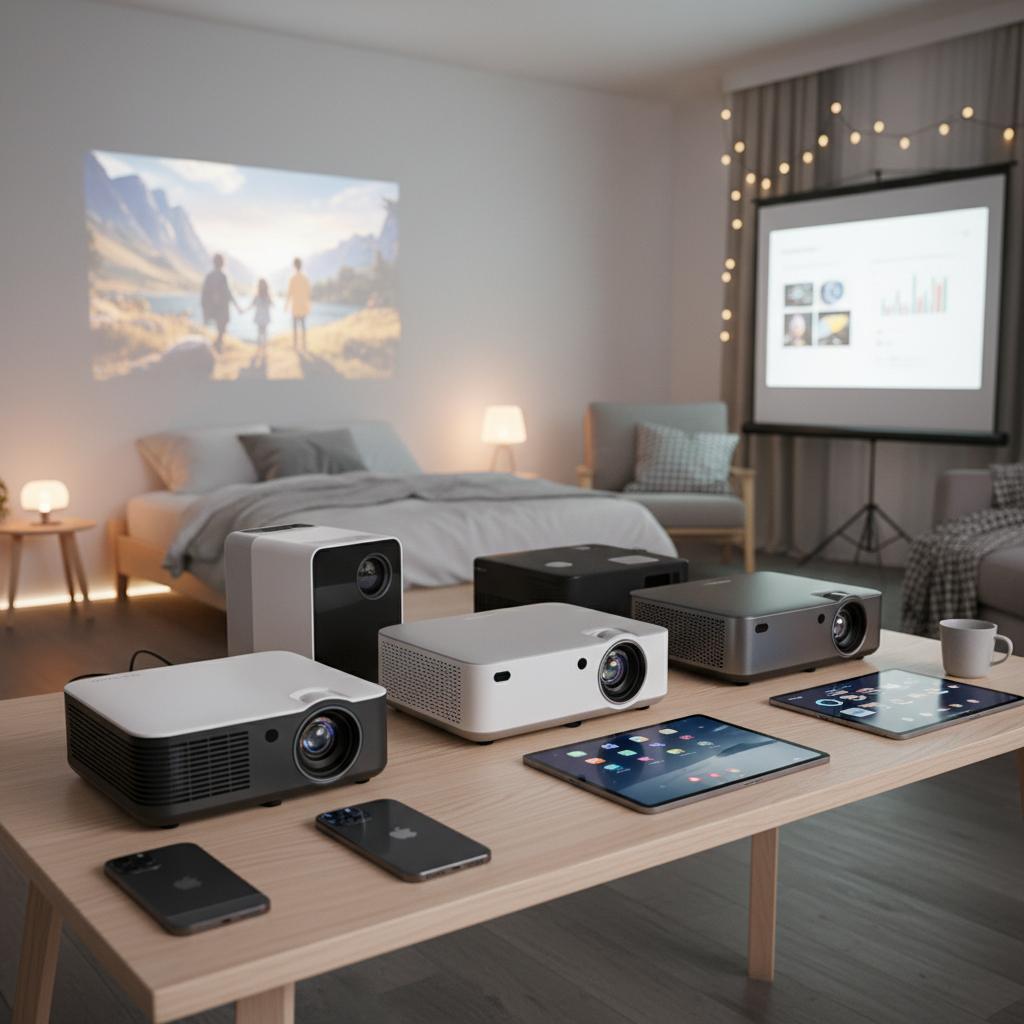
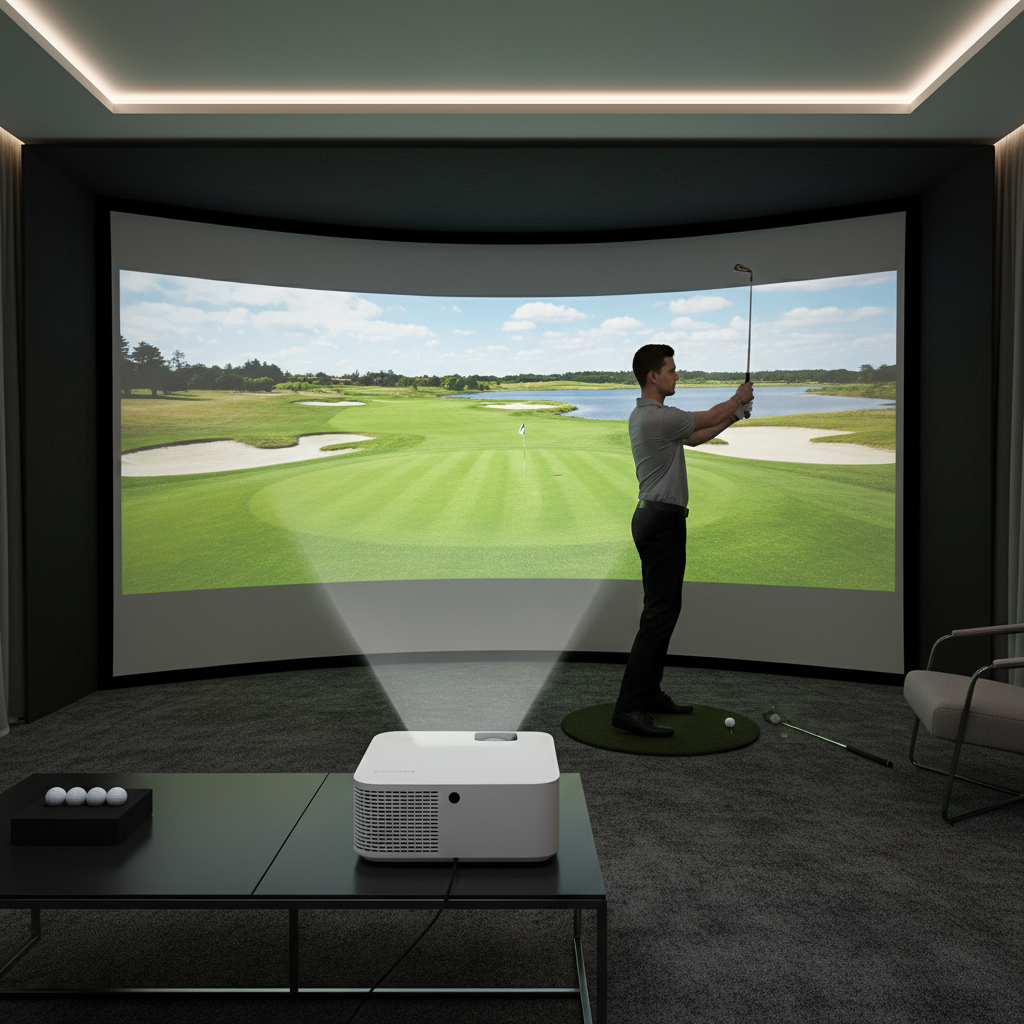
While the term “mini projector” might conjure images of tiny, pocket-sized devices, in the context of golf simulation, it often refers to projectors designed for home or smaller commercial spaces. These aren’t necessarily ultra-portable gadgets but rather powerful, often short-throw, projectors that integrate seamlessly into a golf simulator environment. They are optimized to cast large, clear, and bright images onto an impact screen from a short distance, minimizing shadows and maximizing the immersive experience, unlike typical home theater projectors or truly “mini” units which may lack the necessary brightness or specialized features.
Why Your Golf Simulator Needs a Specialized Projector
A golf simulator demands more from a projector than a standard movie night setup. The unique environment—often with ambient light, a specific screen material, and the need for quick, precise visual feedback—requires a specialized device. These projectors are engineered to deliver bright, high-resolution images that prevent shadows from impacting your swing, offer low input lag for real-time responsiveness, and display colors accurately to replicate the realism of an actual golf course. Investing in a purpose-built golf simulator projector significantly enhances realism, playability, and overall enjoyment.
Key Factors for Choosing the Right Golf Simulator Projector
Selecting the perfect projector involves a balance of several critical specifications. Understanding these will help you narrow down the choices and find a model that perfectly suits your space and golfing ambitions.
Brightness (ANSI Lumens)
|
Our Picks for the Best Mini projector in 2026
As an Amazon Associate I earn from qualifying purchases.
|
||
| Num | Product | Action |
|---|---|---|
| 1 | Magcubic Mini Projector with WiFi 6 and Bluetooth 5.4, Portable Projector 4K Support, 5W Soundbase Speaker, Auto Vertical Keystone 180°Rotatable Smart Proyector for Movie Home Outdoor |

|
| 2 | HP Smart Mini Projector with WiFi and Bluetooth, Short Throw Projector, Native 1080P Full HD, Official Licensed Apps, Auto Focus & Keystone, Portable Movie Projector for Bedroom & Outdoor |
|
| 3 | [Built-in Apps] CLOKOWE Mini Projector with WiFi and Bluetooth, 2026 Upgraded 1080P Smart Portable Projector with 180° Rotation, Auto Keystone, Compatible with iPhone/Android/Laptop/TV Stick/HDMI/USB |
|
| 4 | Mini Projector with WiFi 6 and Bluetooth 5.4 Built-in Apps for Bedroom Portable Projector Android 14 Smart Auto Keystone 1080P 4K Support Compatible with iOS/HDMI/TV Stick VisualCube 300 White |
|
| 5 | Optoma 4K UHD Projector HDR High Brightness Home Theater DLP Technology White Compact Design Gaming Ready Streaming Bundle HDMI Cable CPS 12 Month Protection Plan Included |
|
| 6 | CiBest Mini Projector, Upgraded Full HD 1080P Support Video Projector, Portable Small Movie Projector, Compatible with iOS/Android/Windows/TV Stick/Box/USB/HDMI |
|
| 7 | 【Built-in APPS & Electric Focusing & 210° Rotation】Mini Projector With Wifi And Bluetooth, 1080P Portable Projector, Movie Projector for Bedroom, Supports Smartphones/TV Stick/iPad/PS5/Laptop/HDMI/USB |
|
| 8 | Mini Projector with Wifi 6 and Bluetooth5.4, Portable Projector 4K Support, Android 14 Smart Proyector with 200ASIN & Auto Keystone, Alwtniet HY300Pro Small Proyector for Bedroom, Movie, Outdoor |
|
| 9 | HAPPRUN Native 1080P Bluetooth Mini Projector, Full HD Portable Outdoor Movie Projector with Built-in Speaker, Compatible with Smartphone, HDMI, USB, AV, Fire Stick, PS5 for Home, Bedroom, Outdoor Use |
|
| 10 | Mini Projector, ELEPHAS Portable Projector for iPhone, 7000L with Synchronize Smartphone Screen, Movie Projector with 1080P HD/200 Screen Support, Compatible with Android/iOS/TV Stick/HDMI/USB/SD |
|
Brightness is paramount for golf simulators, especially in rooms with ambient light. Measured in ANSI lumens, a higher number means a brighter image, which helps overcome surrounding light sources like windows or overhead lighting. For most home setups, a projector with at least 3,000 to 4,000 ANSI lumens is recommended for a clear, vivid image. Commercial installations or exceptionally bright rooms might require 5,000 lumens or more for optimal visibility.
Resolution
The resolution dictates the sharpness and detail of your projected image. Common resolutions for golf simulators include:
- 1080p (Full HD): Offers a clear and enjoyable experience for many golfers, providing good detail without a premium price tag.
- WUXGA (1920×1200): A slightly taller aspect ratio than 1080p, often preferred for its ability to fill a larger screen more completely while maintaining excellent clarity.
- 4K UHD (3840×2160): Provides exceptional detail and realism, making grass blades, textures, and course features incredibly lifelike. A 4K projector is a smart investment for high-end systems that demand the most immersive visuals.
Throw Ratio & Distance
The throw ratio is one of the most crucial considerations for a golf simulator projector. It determines how far the projector needs to be from the screen to achieve a certain image size.
- Short-throw (ST) projectors are highly recommended as they can project a large image from a very short distance, typically 3 to 8 feet from the screen. This positioning is critical for golf simulators because it minimizes shadows cast by the golfer and prevents accidental damage to the projector from a mishit ball.
- Ultra-short-throw (UST) projectors can cast a massive image from mere inches away, offering even greater flexibility in extremely tight spaces.
- Standard-throw projectors require a longer distance and are generally less suitable for golf simulators due to shadow concerns and placement difficulties.
“Short throw projectors are generally preferred for limited spaces as they can display large images from close distances. Measure your room and check projector specs to ensure compatibility.” – GolfRepublic.org
Contrast Ratio & Color Accuracy
A good contrast ratio ensures deep blacks and bright whites, adding depth and vibrancy to the image. Color accuracy is also vital for rendering realistic golf course environments. Many specialized golf simulator projectors feature a “Golf Mode” or are tuned to Rec. 709 color standards, which optimizes the hues of greens, blues, and earth tones to accurately mimic outdoor golf courses, enhancing the feeling of being on the links.
Light Source Technology
Projectors primarily use three types of light sources:
- Lamp-based: Traditional and generally more affordable, but lamps have a finite lifespan (typically 2,000-4,000 hours) and require replacement.
- LED: Offers a longer lifespan (around 20,000-30,000 hours), lower heat, and consistent brightness without lamp replacements.
- Laser: The most premium option, laser projectors boast impressive lifespans (20,000+ hours), instant on/off, consistent brightness, and excellent color performance, making them ideal for long-term, maintenance-free use.
Input Lag
For an interactive golf simulation experience, low input lag is essential. Input lag refers to the delay between your action (like swinging a club) and the visual response on the screen. Projectors designed for gaming or golf simulators typically feature low input lag (under 30ms) to ensure smooth, real-time feedback, making your virtual swings feel as responsive as possible.
Aspect Ratio
While most modern projectors are native 16:9 or 16:10, some golf simulators or older setups might prefer a 4:3 aspect ratio. Ensure your chosen projector can either natively support your desired aspect ratio or allows for easy adjustment through software or graphics card settings to avoid image distortion.
Connectivity Options
Look for essential ports like HDMI for connecting your PC or launch monitor, and consider USB or wireless connectivity (Bluetooth, Wi-Fi) for added convenience and smart features.
Top Mini Projectors for Golf Simulators: A Detailed Comparison
Here’s a comparison of some of the best projectors frequently recommended for golf simulators, balancing performance, features, and budget.
| Model | Resolution | Brightness (ANSI Lumens) | Throw Type | Light Source | Key Features |
|---|---|---|---|---|---|
| BenQ AK700ST | 4K UHD | 4000 | Short Throw | Laser | Excellent overall, 95% Rec. 709 color, 20,000-hr laser, Golf Mode, auto screen fit |
| BenQ LK936ST | 4K UHD | 5100 | Short Throw | Laser | Commercial-grade, HDR support, 3,000,000:1 contrast, professional realism |
| BenQ TH671ST | 1080p Full HD | 3000 | Short Throw | Lamp | Budget-friendly, low input lag, vivid visuals, good for smaller spaces |
| ViewSonic LS740W | WXGA (1280×800) | 5000 | Standard Throw | Laser | High brightness, Golf Mode, versatile installation (1.3x zoom, 360-degree) |
| LG ProBeam BU53RG | 4K UHD | 5000 | Standard Throw | Laser | Stunning brightness, advanced laser, whisper-quiet operation |
- BenQ AK700ST: Often hailed as one of the best all-around performers for home simulators, the AK700ST delivers ultra-bright 4K visuals with superb color accuracy. Its laser light source promises 20,000 hours of maintenance-free operation, and features like “Golf Mode” and auto screen fit make setup a breeze, even for beginners.
- BenQ LK936ST: For those seeking a commercial-grade experience, the LK936ST is a powerhouse. With 5100 lumens and robust HDR support, it provides professional-level realism and precision, ideal for dedicated golf studios or high-end home setups.
- BenQ TH671ST: If you’re budget-conscious but still demand solid performance, the TH671ST is an excellent choice. This 1080p short-throw projector offers 3000 lumens and ultra-low input lag, making it perfect for smooth gameplay in compact spaces.
- ViewSonic LS740W: This high-brightness WXGA laser projector is designed for realistic golf simulation with 5,000 ANSI lumens and a dedicated Golf Mode. While it’s a standard throw, its flexible installation options, including 1.3x optical zoom and 360-degree projection, offer versatility.
- LG ProBeam BU53RG: Combining 5000 lumens of brightness with advanced 4K UHD laser technology, the LG ProBeam BU53RG is a strong contender for multi-use simulator rooms or bright spaces where image quality cannot be compromised.
Setting Up Your Golf Simulator Projector for Optimal Performance
Proper installation is key to unlocking your projector’s full potential.
- Placement: The most common and recommended placement is ceiling-mounted, slightly behind the hitting area. This prevents shadows from the golfer’s swing. If ceiling mounting isn’t feasible, a floor-mounted enclosure can protect the projector and simplify setup. Ensure the projector is centered or off-set appropriately for your screen size and aspect ratio.
- Focus & Keystone Correction: Once mounted, power on your projector and adjust the focus for a crisp image. Most projectors offer keystone correction (digital or optical) to square off a distorted image, especially if the projector isn’t perfectly perpendicular to the screen. Advanced models may feature auto-focus and auto-keystone correction for hassle-free adjustments.
- Aspect Ratio Matching: Configure your projector’s aspect ratio to match your impact screen’s dimensions. Common golf simulator screen aspect ratios are 4:3, 16:9, or 16:10.
- Connecting Devices: Use a high-quality HDMI cable to connect your launch monitor’s computer or other media devices to the projector.
Maintaining Your Projector for Longevity
To ensure years of immersive golf simulation, proper maintenance is crucial. For lamp-based projectors, be mindful of lamp hours and have a replacement ready. For laser and LED models, maintenance is minimal, primarily focusing on keeping the lens clean and ensuring adequate ventilation to prevent overheating. Regularly dust the projector and ensure no obstructions block the air vents.
Troubleshooting Common Projector Issues
Even with the best equipment, occasional issues can arise.
- Blurred Image: Check focus, clean the lens, or verify the projection distance is within the projector’s range.
- No Signal: Confirm all cables (HDMI, power) are securely connected. Check input source settings on the projector and the connected device.
- Incorrect Colors: If your projector has a “Golf Mode,” ensure it’s activated. Otherwise, check color temperature and brightness/contrast settings.
- Shadows: Re-evaluate your projector’s throw distance and placement. Short-throw projectors are designed to mitigate this issue.
Your Buying Checklist for a Golf Sim Projector
Before making a purchase, ask yourself these questions:
- What are my room dimensions and lighting conditions? This will dictate the necessary throw ratio and brightness.
- What’s my budget? Projectors range significantly in price, from around $1,000 to over $5,000 for high-end laser 4K models.
- What resolution does my golf simulator software require or recommend? Match the projector’s resolution to maximize visual quality.
- Do I need short-throw capabilities? Almost always a “yes” for golf simulators to prevent shadows.
- What light source do I prefer? Laser for longevity and consistency, lamp for initial cost savings.
- Have I read reviews and compared specific models? User experiences can provide valuable insights.
Conclusion
Choosing the best mini projector for your golf simulator is a pivotal step in building your ultimate indoor golf experience. By prioritizing factors like brightness, resolution, short-throw capability, and color accuracy, you can select a projector that not only fits your space and budget but also transports you onto the world’s most beautiful courses with stunning realism. Whether you opt for a budget-friendly 1080p short-throw or a high-end 4K laser powerhouse, the right projector will make every swing feel more authentic and every round more engaging. What kind of immersive golf experience are you dreaming of creating in your own home?
Frequently Asked Questions
What throw distance is ideal for a golf simulator projector?
Short-throw projectors are generally ideal for golf simulators. They can cast large images from a close distance (typically 3-8 feet), which helps prevent golfers from casting shadows on the screen and protects the projector from errant shots.
How important is brightness (lumens) in a golf projector?
Brightness is very important. For most home golf simulators, 3,000 to 4,000 ANSI lumens are recommended to ensure a clear and vibrant image, even in rooms with some ambient light. Brighter rooms or commercial setups may require 5,000 lumens or more.
Do I need a 4K projector for a golf simulator?
While not strictly necessary, a 4K projector significantly enhances realism with sharper details and textures, especially with high-end simulator software. If budget allows and you prioritize maximum immersion, a 4K model is a worthwhile investment.