Choosing the right projector involves weighing many factors: image quality, brightness, resolution, and, crucially, how long it will reliably serve your needs. For many, the debate often boils down to two primary projection technologies: Digital Light Processing (DLP) and Liquid Crystal Display (LCD). Both have their unique strengths, but when it comes to longevity, which one truly stands the test of time? This comprehensive guide will delve into the durability of DLP and LCD projectors, examining their core technologies, light sources, and maintenance requirements to help you make an informed decision.
Understanding Projector Lifespan
The “lifespan” of a projector isn’t a single, simple number. It’s influenced by the projector’s imaging technology (DLP or LCD) and, perhaps even more significantly, its light source. Historically, projectors relied on traditional lamps, which had a limited operational life. Modern advancements have introduced LED and laser light sources, dramatically altering longevity expectations across all projection types.
DLP Projector Longevity
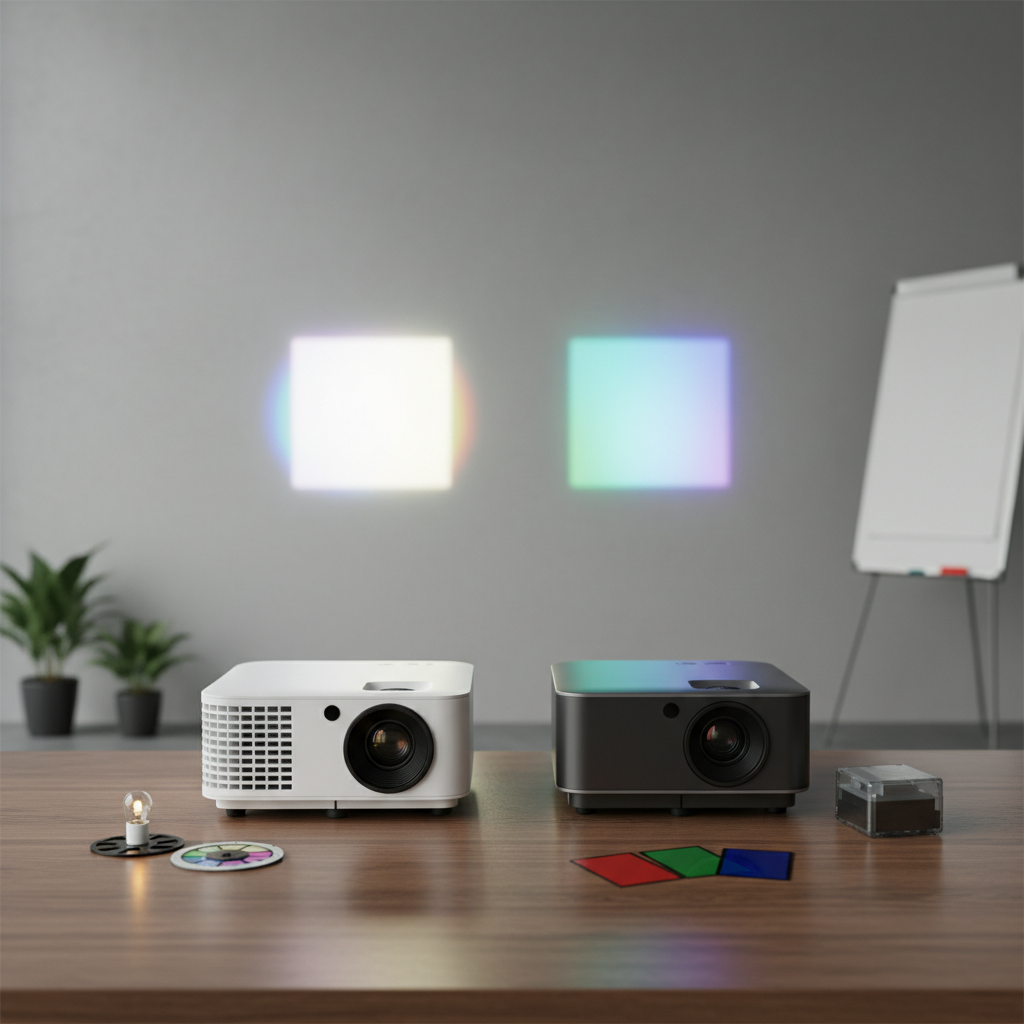
DLP projectors operate using a Digital Micromirror Device (DMD) chip, which contains millions of tiny mirrors that reflect light to create an image. In single-chip DLP models, a spinning color wheel filters the light before it hits the DMD chip.
Traditionally, lamp-based DLP projectors offered an average lifespan of around 6,000 to 8,000 hours. Some models could even exceed this range, showcasing their inherent durability. However, the true game-changer for DLP longevity has been the integration of solid-state light sources. Modern DLP projectors equipped with LED or laser light engines boast significantly extended operational lives, often ranging from 20,000 to 30,000 hours or even more.
A key factor contributing to DLP’s durability is its sealed optical engine design. This construction helps prevent dust and other airborne particles from entering and settling on the sensitive DMD chip, which can lead to image degradation over time. With fewer susceptible components compared to LCD, DLP projectors often require minimal maintenance related to internal dust buildup. While rare, a potential issue with DLP projectors can be the failure of the DMD chip itself, which can manifest as “dead pixels” or white dots on the screen.
LCD Projector Longevity
LCD projectors, specifically 3LCD models, utilize three separate liquid crystal panels—one each for red, green, and blue light. Light passes through these panels, which modulate the individual color components before they are combined and projected onto the screen.
For lamp-based LCD projectors, the typical lifespan falls between 4,000 to 6,000 hours. While generally lower than their DLP counterparts, advancements in technology have led to high-end LCD models capable of reaching up to 10,000 hours or more. As with DLP, the adoption of LED and laser light sources has also revolutionized LCD projector longevity, pushing their operational lives into the 20,000 to 30,000+ hour bracket, aligning them with solid-state DLP models.
Despite these advancements, LCD technology faces some unique durability challenges. The liquid crystal panels are susceptible to degradation over time, primarily due to heat exposure from the light source. This can lead to issues such as color fading, color shifting (where colors appear yellow or green), or the appearance of “dead pixels” on the screen. Another common issue historically reported with LCD projectors is the burning out of polarizing filters, which can affect color accuracy. To mitigate dust accumulation on the panels and maintain optimal performance, LCD projectors typically require regular cleaning of their air filters.
The Role of Light Source in Projector Lifespan
While the imaging technology (DLP vs. LCD) influences certain aspects of component durability, the type of light source is the most critical determinant of a projector’s overall operational lifespan.
- Traditional Lamps: These UHP (Ultra-High Performance) or Xenon lamps offer a lifespan typically ranging from 2,000 to 8,000 hours. They gradually dim and can experience color shifts as they age, eventually requiring replacement.
- LED Light Sources: Light-Emitting Diodes are highly energy-efficient and generate less heat than traditional lamps. LED projectors commonly achieve lifespans of 20,000 to 30,000 hours or more, offering consistent brightness and color stability throughout their life.
- Laser Light Sources: Lasers represent the pinnacle of projector longevity. These light sources typically provide 20,000 to 30,000 hours of maintenance-free operation, often maintaining brightness more effectively over time than other light sources.
| Light Source Type | Typical Lifespan (Hours) | Brightness Degradation | Maintenance (Light Source) |
|---|---|---|---|
| Traditional Lamp | 2,000 – 8,000 | Gradual, noticeable | Required lamp replacement |
| LED (Light Emitting Diode) | 20,000 – 30,000+ | Slow, minimal | Generally none |
| Laser | 20,000 – 30,000+ | Very slow, highly stable | Generally none |
Key Factors Influencing Projector Lifespan (Beyond Technology)
Beyond the inherent differences in DLP and LCD technology and their light sources, several external factors play a significant role in how long your projector will last:
- Usage Patterns: Frequent on-off cycles can stress components, while consistent long-term use in “eco mode” (lower brightness) can extend lamp life.
- Maintenance: Regular cleaning of air filters (especially for LCD) and ensuring proper ventilation are crucial to prevent overheating, which is a leading cause of component failure.
- Environmental Conditions: Exposure to excessive dust, high humidity, or extreme temperatures can accelerate wear and tear on internal components. Even smoke from cigarettes can significantly reduce a projector’s lifespan.
- Build Quality: High-end models often feature superior materials and construction, leading to greater overall reliability and longevity.
DLP vs. LCD: A Durability Showdown
When comparing the durability of DLP and LCD projectors, particularly in models utilizing traditional lamps, DLP generally holds a slight edge due to its sealed optical path and fewer light-sensitive panels. This design often makes DLP projectors less prone to dust issues and color degradation over prolonged use. Conversely, LCD projectors, with their three separate panels, can be more susceptible to heat-induced color shifting or burnt polarizers.
However, the introduction of LED and laser light sources has largely leveled the playing field for overall lifespan. Both DLP and LCD projectors with these modern light engines offer exceptional longevity, far surpassing lamp-based models. In these solid-state projectors, the imaging chip (DMD for DLP, LCD panels for LCD) becomes the primary point of long-term concern, and while both technologies are robust, DLP’s sealed design still offers a theoretical advantage against dust-related issues.
“While the imaging technology sets the foundation for durability, the choice of light source—be it lamp, LED, or laser—is often the ultimate arbiter of a projector’s total operational life. Modern LED and laser projectors, regardless of their DLP or LCD core, are engineered to deliver tens of thousands of hours of reliable performance.” – Tech Projector Expert, Lead Analyst at ProjectorTech Reviews
Extending Your Projector’s Life
Regardless of whether you choose a DLP or LCD projector, you can significantly extend its lifespan with proper care:
- Ensure Proper Ventilation: Always place your projector in an area with adequate airflow to prevent overheating. Avoid blocking vents.
- Regular Cleaning: Clean air filters regularly (especially for LCD projectors) and gently clean the lens with a microfiber cloth.
- Power Management: Utilize “eco mode” settings when maximum brightness isn’t required. Avoid unnecessary rapid power cycling (turning it on and off multiple times in quick succession).
- Timely Lamp Replacement: For lamp-based projectors, replace the lamp as soon as brightness noticeably diminishes or a warning light appears. Using an aged lamp can stress other components.
- Handle with Care: Projectors are sensitive electronic devices. Avoid dropping them or subjecting them to sudden impacts.
Conclusion
In the direct comparison of DLP vs. LCD imaging technologies, DLP traditionally has a slight advantage in raw component durability, primarily due to its sealed chip architecture which offers better protection against dust and long-term color degradation. However, the most significant factor impacting a projector’s lifespan today is its light source. Both DLP and LCD projectors benefit immensely from modern LED and laser light engines, which routinely offer 20,000 to 30,000 hours or more of operational life, making the choice between the two technologies less about pure longevity and more about specific image characteristics and features.
Ultimately, a well-maintained projector, regardless of its underlying display technology, will outlast one that is neglected. Prioritizing proper ventilation, regular cleaning, and intelligent usage patterns are your best strategies for maximizing your projector’s life. Considering these aspects, which type of projector aligns best with your long-term viewing and maintenance expectations?
Frequently Asked Questions
How often should I replace my projector?
|
Our Picks for the Best Mini projector in 2026
As an Amazon Associate I earn from qualifying purchases.
|
||
| Num | Product | Action |
|---|---|---|
| 1 | Optoma 4K UHD Projector HDR High Brightness Home Theater DLP Technology White Compact Design Gaming Ready Streaming Bundle HDMI Cable CPS 12 Month Protection Plan Included |

|
| 2 | [Built-in Apps] CLOKOWE Mini Projector with WiFi and Bluetooth, 2026 Upgraded 1080P Smart Portable Projector with 180° Rotation, Auto Keystone, Compatible with iPhone/Android/Laptop/TV Stick/HDMI/USB |
|
| 3 | Magcubic Mini Projector with WiFi 6 and Bluetooth 5.4, Portable Projector 4K Support, 5W Soundbase Speaker, Auto Vertical Keystone 180°Rotatable Smart Proyector for Movie Home Outdoor |
|
| 4 | HAPPRUN Native 1080P Bluetooth Mini Projector, Full HD Portable Outdoor Movie Projector with Built-in Speaker, Compatible with Smartphone, HDMI, USB, AV, Fire Stick, PS5 for Home, Bedroom, Outdoor Use |
|
| 5 | CiBest Mini Projector, Upgraded Full HD 1080P Support Video Projector, Portable Small Movie Projector, Compatible with iOS/Android/Windows/TV Stick/Box/USB/HDMI |
|
| 6 | Mini Projector, ELEPHAS Portable Projector for iPhone, 7000L with Synchronize Smartphone Screen, Movie Projector with 1080P HD/200 Screen Support, Compatible with Android/iOS/TV Stick/HDMI/USB/SD |
|
| 7 | Mini Projector with Wifi 6 and Bluetooth5.4, Portable Projector 4K Support, Android 14 Smart Proyector with 200ASIN & Auto Keystone, Alwtniet HY300Pro Small Proyector for Bedroom, Movie, Outdoor |
|
| 8 | 【Built-in APPS & Electric Focusing & 210° Rotation】Mini Projector With Wifi And Bluetooth, 1080P Portable Projector, Movie Projector for Bedroom, Supports Smartphones/TV Stick/iPad/PS5/Laptop/HDMI/USB |
|
| 9 | HP Smart Mini Projector with WiFi and Bluetooth, Short Throw Projector, Native 1080P Full HD, Official Licensed Apps, Auto Focus & Keystone, Portable Movie Projector for Bedroom & Outdoor |
|
| 10 | Mini Projector with WiFi 6 and Bluetooth 5.4 Built-in Apps for Bedroom Portable Projector Android 14 Smart Auto Keystone 1080P 4K Support Compatible with iOS/HDMI/TV Stick VisualCube 300 White |
|
Projectors typically last between 5 and 10 years, depending heavily on usage, maintenance, and the type of light source. With LED or laser light sources, you might find yourself upgrading for new features long before the projector itself fails due to wear and tear. If you notice a significant decline in image quality, frequent lamp replacements (for older models), or repair costs outweighing the value, it’s a good sign for an upgrade.
Do LED/Laser projectors really last that much longer?
Yes, absolutely. Traditional lamps have a finite life, typically 2,000 to 8,000 hours, and degrade in brightness over time. LED and laser light sources, being solid-state, are designed for extreme longevity, often boasting 20,000 to 30,000 hours or more, equivalent to decades of typical home use without needing light source replacement. This dramatically reduces maintenance and long-term costs.
Can dust affect projector lifespan?
Yes, dust is a major enemy of projectors. In LCD projectors, dust can accumulate on the LCD panels, leading to “dust blobs” or spots on the projected image and potentially causing localized overheating. In DLP projectors, while the DMD chip is often sealed, dust can still interfere with cooling systems, causing overheating. Regular filter cleaning and good ventilation are crucial to prevent dust-related issues and extend lifespan.